Bottom line: The critical problem is rising costs. The solution is more competition, greater individual control over health spending and structural changes that enhance the healthcare delivery system. e.g. more community clinics.
These guys hit the mail on the head !
* * * * *
Excerpted from WSJ: A Better Way to Reform Health Care, Feb. 24, 2010
None of key ObamaCare elements — mandates, heavy-handed insurance regulation, and entitlement-based, middle-income subsidies – address health care’s fundamental problem: high and rising costs. They simply expand health-insurance coverage. The inevitable consequence will be to exacerbate the cost problem.
To bring down costs, we need to change the incentives that govern spending. Right now, $5 out of every $6 of health-care spending is paid for by someone other than the person receiving care —insurance companies, employers, or the government. Individuals are insulated from the reality of what their decisions cost. This breeds overutilization of low-value health care and runaway spending.
To reduce the growth of costs, individuals must take greater responsibility for their health care, and health insurers and health-care providers must face the competitive forces of the market.
Three policy changes will go a long way to achieving these objectives: (1) eliminate the tax code’s bias that favors health insurance over out-of-pocket spending; (2) remove state-government barriers to purchasing and providing health services; and (3) reform medical malpractice laws.
The tax code’s favorable treatment of employer-sponsored health insurance over out-of-pocket health-care payments means that, for most families, buying health care through an employer is 30%-40% cheaper than buying it directly.
The best way to address this clear bias is by making all health spending — including out-of-pocket payments, purchases of individual insurance, and purchases of COBRA coverage — tax-deductible. It could also be achieved by expanding Health Savings Accounts and Flexible Spending Accounts, which also level the tax playing field between insured and out-of-pocket spending. That is, they make the tax treatment of insured and out-of-pocket spending more similar.
Many health-policy analysts have argued that counting employer-sponsored insurance premiums as taxable income would be a more effective way to undo the current tax code’s bias toward employer-sponsored health insurance. In theory, we agree.
But the fate of the so-called tax on Cadillac insurance plans only serves to underscore the wisdom of leveling the playing field by making all health-care spending tax deductible. The beneficiaries of these high-priced plans, such as labor unions and public-sector employees, lobbied intensely and largely against the tax, and the president’s plan defers the tax until 2018. The end result is the essential elimination of the plan’s only tangible improvement to incentives.
There are two additional steps to reforming private insurance markets.
First, individuals must be allowed to buy health insurance offered in states other than those in which they live.
The current approach of state-by-state regulation has raised costs by reducing competition among insurance companies. It has also allowed state legislatures to impose insurance mandates that raise prices, while preventing residents from getting policies more suitable for their needs.
Second, reasonable caps on damages for pain and suffering need to be established in medical malpractice cases. Caps on these kind of damages reduce costs and decrease unnecessary, defensive medicine.
These three policies fundamentally change incentives among individuals, insurers, and providers to gradually slow the growth in costs by reducing inefficient demand without sacrificing quality and innovation.
Taken together, the policy changes outlined here will produce a substantial decline in health-insurance premiums. Premiums will fall as workers opt for health plans with higher copayments. Insurance companies will lower premiums in the face of stiffer competition. And doctors will practice less defensive medicine.
It is also important to increase access to health care — but this should not be confused with increasing access to health insurance, and it cannot be achieved without getting costs under control. There are several ideas for improving access worth considering: removing artificial barriers to entry for physicians and within specialty groups, allowing states greater flexibility with Medicaid, providing tax credits for health spending, and expanding programs that provide services directly, such as Community Health Centers.
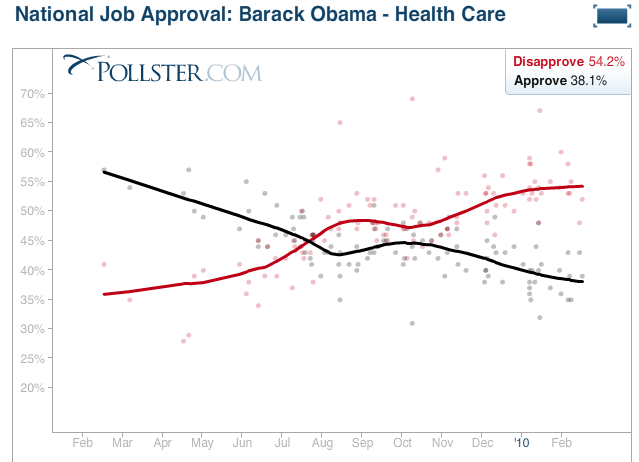
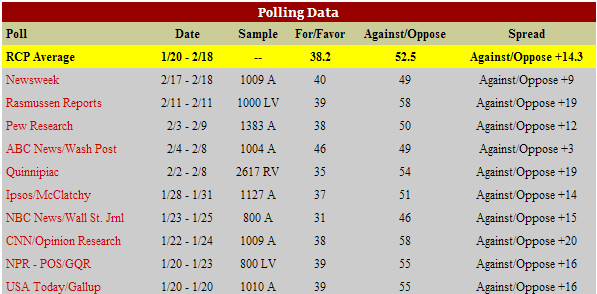
The president’s plan is failing because it does not speak to the concerns of the majority of Americans. Instead of addressing the high and rising costs of care, it proposes mandates, invasive regulation, and unaffordable new entitlements. This will not bring health-care costs down—it will only make this problem worse.
Full article:
http://online.wsj.com/article/SB10001424052748704804204575069133264585068.html?mod=WSJ_newsreel_opinion


 The Homa Files