Archive for the ‘Employment – Jobs’ Category
May 14, 2012
Last week, we were fast out of the blocks posting about the drop in the labor force participation rate: How to make 11% unemployment look like 8.1%
The essential points raised:
- Since President Obama was inaugurated, the U.S. working age population has increased by roughly 8 million people.
- During that same period the U.S. labor force – folks either holding or looking for jobs – stayed roughly constant at about 154 million.
- So, it arithmetically follows that the labor force participation rate declined … from about 66% to 63.5%
Here’s the money chart from last week’s post:

* * * * *
The long view
Some analysts have seized on the fact that 324,000 Women Dropped Out of Labor Force in Last Two Months.
Are women really leaving the labor force in droves? ?
Let’s start with the long view:
Back in 1960, women’s labor force participation rate was below 40%.
Over the next 40 years, it bumped up about a point a year, hitting 60% in 2000.
The demographics are well known. More women chose to pursue careers and some families needed 2-wage earners in the family in order to make financial ends meet.

* * * * *
The Shorter View
But, the long view masks what’s been happening the past couple of years.
Let’s shorten the time frame back to only 1990, and increase the granularity of the charting scale.
During the Clinton Era, women’s labor force participation rates continued to climb at the historical rate and reached a historical peak a bit above 60%
The participation rate fell back slightly during the eight Bush years … from 60% to about 59.5%
During the 3+ years since Obama’s inauguration, the women’s labor force participation rate dropped 2 points from 59.5 to 57.5%
Hmmm.

* * * * *
So, what’s going on?
Pundits are serving up a few explanations:
1. The labor market has absorbed the historically pent up supply of women wanting to work and able to find jobs.
2. Some women have discovered what many me have know for centuries – work often isn’t as fulfilling and rewarding as it’s made out to be.
3. Some women have done the math and figured out that compensation levels are sometimes inadequate to fully cover the costs of work clothes, commuting, child care, etc.
4. As government benefits have increased, some women at the lower rungs of the economic ladder have concluded that they’re better off not employed than to take a low paying job.
Regarding the last pint, according to the WSJ, in some high-benefit states women need to earn $30,000 or more to compensate for the benefits they lose if they get a job.
Considering that a full-time minimum wage job only pays about $20,000 [ 2,000 hours times $10} … at least part of the explanation for declining labor force participation rates may be purely rational economics …
>> Latest Posts
SHARE THIS POST WITH FRIENDS & FAMILY
Tags:Bush, Clinton, employment, Jobs, labor force participation rate, Obama, unemployment
Posted in Employment - Jobs, Unemployment | Leave a Comment »
May 7, 2012
President Obama says “The unemployment rate clicked down again in April”.
Proof positive that his economic plan is working.
Not so fast.
Indeed the unemployment rate dropped to 8.1% despite relatively low job growth.
How can that be?
Easy.
The unemployment rate is a fraction: the numerator is the number of unemployed people who are actively looking for work … the denominator is the number of people employed plus the number of people actively looking for work.
Most people implicitly assume that the denominator is staying relatively constant … maybe edging up a bit.
So, they conclude that a drop in the unemployment rate is driven by unemployed people finding jobs.
Not in the Obama recovery.
These days, the unemployment rate is driven more by what’s called the labor force participation rate … the percentage of able bodied people in the population who are either employed or actively looking for work.
The labor force participation rate has tumbled in the past couple of years.
More specifically …
* * * * *
Labor Force
Since January 2009, the U.S. working age population has grown about 8 million, but the labor force has stayed pretty much flat.

* * * * *
Labor Force Participation
While some of the 8 million increase in the working age population since January 2009 may have replaced folks who dropped out of the labor force, the net effect is that the 8 million increase in the working age population didn’t boost the size of the labor force.
Said differently, the labor force participation rate dropped precipitously … from about 66% to 63.5%.
While the labor force participation rate dropped a bit during the Bush years, the decline is – buy and large – a reflection of the “Obama Recovery”.
* * * * *
Impact on Unemployment Rate
Let’s put that drop in context:
In January 2009, the labor force participation rate was 65.71%
Since January 2009, the working age population grew by just over 8 million … from 234,738,000 to 242,784,000
If the labor force participation rate had stayed constant from January 2009 until now, there would be 159,522.672 folks in the labor force … not the currently reported 154,365,000
The BLS reported 12.5 million unemployed in April (<= note the “roundness” of the number)
The BLS reported the unemployment rate at 3.1% … 12.5 million divided by 154.4 million.
If the labor force participation rate was still at the January 2009 level, then the current unemployment rate would be a whopping 11%.
Calculation:
159,522.672 minus 154,365,000 equals 5.2 million dropouts from the labor force
12.5 million unemployed plus 5.2 million dropouts = 17.7 million
17.7 million divided by 159,522.672 equals 11%
Those are the top line numbers … in subsequent posts I’ll dive deeper into the numbers and provide some “what’s going on” context
>> Latest Posts
SHARE THIS POST WITH FRIENDS & FAMILY
Tags:Obamanomics, unemployment labor force particiapation rate
Posted in Employment - Jobs, Unemployment | 1 Comment »
May 3, 2012
A couple of data points …
The BLS weekly new unemployment claims averaged 363,000 in March … they’ve been just short of 390,000 the past couple of weeks.
* * * * *
Challenger reported an increase in job cuts — vs. last month and vs. same month last year.
U.S.-based employers announced planned job cuts totaling 40,559 during the month of April.
That is a 7.1 percent increase from job cuts announced in March.
April job cuts were up 11.2 percent from the same month a year ago.
So far this year, employers have announced 183,653 job cuts, 9.8 percent more than the job cuts by this point in 2011.
* * * * *
Gallup’s daily tracking of unemployment has been running between 8.3% and 8.4% for the past week or so.
* * * * *
Yesterday, ADP reported that the private sector added just 119,000 jobs in April
Private-sector employment increased by just 119,000 in April, according a report from ADP that puts a dent into the notion that the jobs market is on the path to a solid recovery.
The report was well below forecasts of 170,000 and comes after a string of stronger numbers.
ADP said service-sector jobs rose by 123,000, but construction fell by 5,000
* * * * *
Let’s see: unemployment claims are up, Gallup says 8.4%, ADP reports a slowing of job growth (below what’s need to keep pace with typical labor market growth).
So, what’ll be the BLS unemployment number?
My bet: the mysterious seasonal adjustments coupled with more discouraged workers no longer looking for work will keep the unemployment rate at 8.2%
We’ll see.
>> Latest Posts
SHARE THIS POST WITH FRIENDS & FAMILY
Tags:BLS, cooking the books, emplyment, Jobs, Obama, unemployment
Posted in Employment - Jobs, Unemployment | Leave a Comment »
April 26, 2012
This is getting downright silly …
The first line of this morning’s BLS report on weekly jobless claims says:
In the week ending April 21, the advance figure for seasonally adjusted initial claims was 388,000, a decrease of 1,000 from the previous week’s revised figure of 389,000.
Note the last couple of words: “ … from the previous week’s revised figure”.
Hmmm.
Here’s the way CNBC decoded the report:
Initial claims for state unemployment benefits dropped by 1,000 to a seasonally adjusted 388,000, the Labor Department said on Thursday.
The prior week’s figure was revised up to 389,000 from the previously reported 386,000.
The four-week moving average for new claims, a closely followed measure of labor market trends, rose 6,250 to 381,750, its highest since the week that ended January 7.
Get it?
Last week, when claims were reported to have gone up, they were understated by 3,000.
Hmm.
Now, last month gets revised upward … and guess what?
This month is lower than last month.
So, Team O has a talking point: jobless claims are down.
They do think we’re stupid …
>> Latest Posts
SHARE THIS POST WITH FRIENDS & FAMILY
Tags:BLS, cooking the books, unemployment
Posted in Employment - Jobs, Unemployment | Leave a Comment »
April 9, 2012
… or more precisely: ‘tis the seasonality.
For a couple of months, we’ve been pointing out that something smelled fishy about the Fed’s employment reports.
Too much of the good news seemed to be directly tied to statistical tweaks of the the raw data called “seasonal adjustments”.
In fact, the Feds have been goosing the numbers up by more then they used to.
Well, now the Wash Post is even on the case.
The Post article — “Mild winter may have artificially inflated jobs data, economists fear“ — suggests that we may have been underestimating the effect.
Economists are now saying that the mild winter has artificially inflated job growth.
Translation: The surge in hiring early in the year may not be as strong as it appeared.
The warm weather meant more jobs for construction workers and retail employees.
For economists, it means a statistical nightmare.
Typically, these bumps in demand are evened out through a process called seasonal adjustment.
That allows researchers to compare one month’s economic activity with the next for a more accurate picture of the nation’s health.
But this year’s weather was so abnormal that those models fell short, and economists are now scrambling to figure out how much of the growth over the past three months was simply due to a glitch in their systems.
“When the weather does not follow a normal seasonal pattern, then the seasonal adjustment cannot adjust for it.”
And that may help explain why recent data on jobs have looked rosier than actual economic growth would suggest.
Forecasts for the nation’s gross domestic product during the first quarter hover around 2 percent, a middling number at best.
Somewhere there is a disconnect, and Mother Nature is a valid scapegoat.
The labor market boost from the mild winter will eventually even itself out, though it may mean dips in job growth in coming months
Glad to see the mainstream media catching up with the Homa Files and its loyal readers …
>> Latest Posts
SHARE THIS POST WITH FRIENDS & FAMILY
Tags:BLS, employment, seasonal adjustment, seasonality, unemployment
Posted in Employment - Jobs | Leave a Comment »
April 6, 2012
BLS Report says that 120,000 seasonally adjusted jobs were added in March … below February when 240,000 were added.
In February, the unemployment rate remained constant at 8.3% … it dropped in March to 8.2%.
How can that be?
Remember that the jobs growth comes from the “Institutions Survey” and the unemployment rate comes from the “Population Survey”.
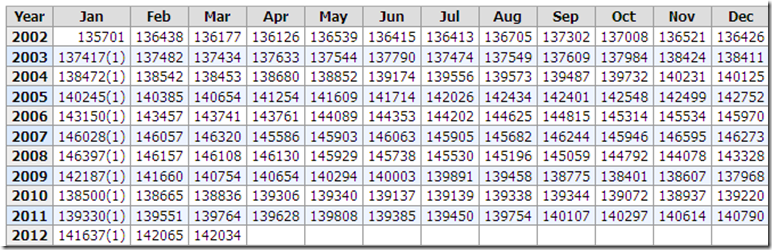
From the “Population Survey”, seasonally adjusted employment actually declined by 31,000 – from 142.065 million to 142.034 million. (chart below)
So, how did the unemployment rate go down?
Simple.
The labor force participation rate continued to decline.
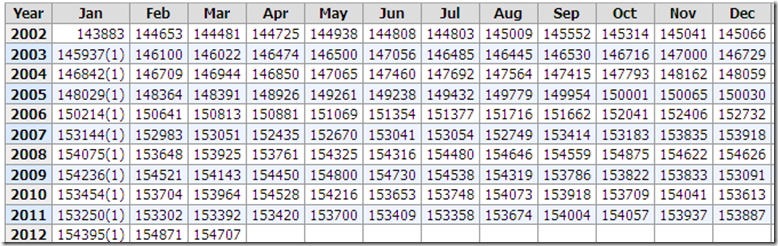
In February, 154.871 million were in the labor pool; in March there were 154.707 million … a drop of 164,000. (chart below)
Presto … the unemployment rate goes down.
If only more people were to get sufficiently discouraged that they’d stop looking for work, we’d have this unemployment problem nailed.
* * * * *
Labor Force Statistics from the Current Population Survey
Civilian Employment Level
Civilian Labor Force Level
>> Latest Posts
SHARE THIS POST WITH FRIENDS & FAMILY
Tags:BLS, employment, labor force, unemployment
Posted in Employment - Jobs | Leave a Comment »
April 5, 2012
Loyal readers know that I’m a bit skeptical re: the employment numbers that the BLS has been spitting out in recent months.
Two reasons: (1) Unemployment rates are diverging from the Gallup daily surveys, and (2) Seasonal adjustment factors are boosting the employment numbers.
First, the Gallup relationship …
Historically, Gallup’s mid-month unemployment rate has tracked closely to the BLS end-of-month rate.
Not so in February … Gallup reported 8% … BLS reported 8.2%.
Hmmm.
Gallup’s mid-month rate for March was 8.9%.
Let’s see what the BLS says tomorrow.

* * * * *
The 2nd number to watch is the the seasonal adjustment adder.
For the prior10 years, the BLS has seasonally adjusted February employment numbers upward by 1.1423%.
Last month, they upped the raw numbers by 1.1688%.
That’s a big difference when floated into the unemployment rate calculation.
The prior 10 year adjustment factor for March has been .6209 %.
If the seasonal adder is higher than that tomorrow … be suspicious.

* * * * *
My bet: the unemployment rate will magically hang at 8.3% … .6% below the Gallup number.
>> Latest Posts
SHARE THIS POST WITH FRIENDS & FAMILY
Tags:BLS, Gallup, seasonal adjustment, unemployment rate
Posted in Employment - Jobs, Unemployment | Leave a Comment »
April 4, 2012
Specifically, the headline said “More CEOs plan to hire as outlook brightens, survey says”
The article said:
A growing number of chief executives at large U.S. companies say they are more optimistic about the economy and plan to step up hiring. The brighter view from the boardroom comes after the best three months of job growth in two years.
The Business Roundtable said Wednesday that a survey of its CEO members found that 42% expect to hire over the next six months. That’s up from 35% three months ago.
Wow. Pretty good, right?
Being a trust & verify guy, I went to the Business Roundtable site to check the nums.
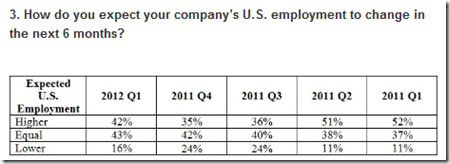
Sure enough, 42% of the 128 surveyed CEOs said they expect that employment will go up.
And, that is up from the 35% who thought so last quarter.
But, apparently the reporter didn’t notice that 52% of CEOs expected employment to go up last year at this time.
In other words, less than half of CEOs now think that employment will go up in the next 6 months.
Over half thought it would last year.
Hmmm.
>> Latest Posts
SHARE THIS POST WITH FRIENDS & FAMILY
Tags:Business Roundtable, CEOs, employment
Posted in Employment - Jobs | Leave a Comment »
March 28, 2012
Punch Line: Businesses are giving employees the opportunity to work in a different department or temporarily swap places with a coworkers overseas in order to improve collaboration and retention.
* * * * *
Excerpt from WSJ: “Co-Workers Change Places”
Companies are discovering that short- to medium-term moves for rank-and-file employees help workers sharpen their skills, stay motivated and identify new roles. Moreover, they help address a challenge: how to better foster collaboration across different specialties and regions.
At Intel employees search an internal database with hundreds of job listings. These assignments allow workers “to test-drive a job or make connections in different departments.”
At Virgin America, a handful of flight attendants recently traded places with colleagues at Virgin Australia.
Skills-based rotations are more valuable than swaps that are purely geographic. While a program like Virgin’s offers employees some short-term benefits, it may have less impact on a company’s overall effectiveness.
Global exchanges can be a valuable retention tool for multinational companies.
Edited by ARK
>> Latest Posts
SHARE THIS POST WITH FRIENDS & FAMILY
Tags:international, job sharing, Jobs
Posted in Employment - Jobs | Leave a Comment »
March 21, 2012
Team Obama keeps crowing about the millions of jobs they’ve added with their trillions of dollars of fiscal and monetary stimulators.
Hmmm.
Here are the facts, direct from the BLS …
In February 2008 — right as the financial crisis was becoming evident — employment was 136.356 million.
Employment dropped by about 5 million between February 2008 and February 2009.
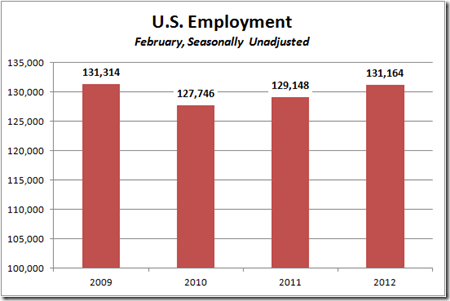
In February 2009 — when Obama took office — there were 131.314 million workers employed. Real jobs, no seasonal adjustment.
Note: Obama’s Stimulus was passed January 28, 2009
The comparable number in February 2012 was 131,164 million.
By simple subtraction, there are 150,000 fewer jobs now then there were in February 2009.
Note: During the same period, the labor force (i.e. those folks who are employed or looking for work) grew by about 300,000 … from 153.804 million in Feb 2009 to 154,114 million in Feb. 2012.
* * * * *
Let’s dig a little deeper with another view of the data:

Cutting to the chase, “real” employment is back to where it was when Obama was inaugurated … but up substantially from the low point in Obama’s term.
The “issue” is who owns 2009 — Bush or Obama?
Obamites argue that the drop in 2009 is simply a reflection of the momentum coming out of the Bush years … slowed by effects of the Stimulus.
GOPers argue that — since Obama’s Trillion-dollar Stimulus was passed in January 2009 and since the administration made promises re: keeping unemployment in check — that Obama owns 2009.
The answer is probably somewherw in between.
You decide …
>> Latest Posts
SHARE THIS POST WITH FRIENDS & FAMILY
Tags:employment, Obama Stimulus, seasonal adjustments, unemployment
Posted in Employment - Jobs | Leave a Comment »
March 12, 2012
The Feds said last Friday that the economy added over 200,000 jobs and the unemployment rate stayed at 8.3%
I’d predicted 8.5% or higher … hmmm.
First, unemployment claims increased in each of the 4 weeks in February
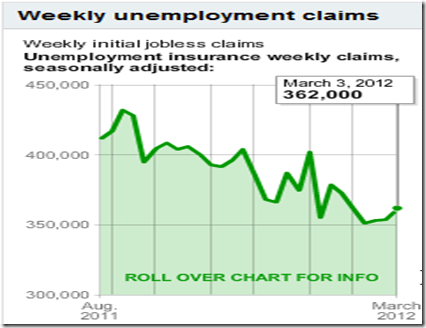
That would make you think that the unemployment rate would go up, right?
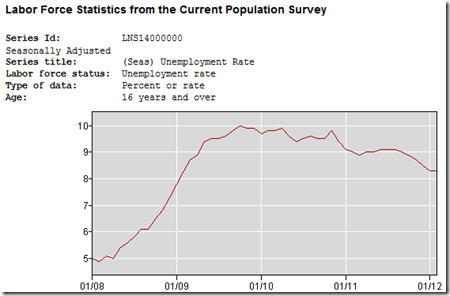
Not so, using Fed math … the BLS reported that the seasonally adjusted unemployment rate stayed at 8.3% …
But, take a peek at the raw unemployment rate … the one before the Feds adjust for seasonality.
Hmmm. Looks like the rate has ticked up in the past couple of months … and is now around 8.7%
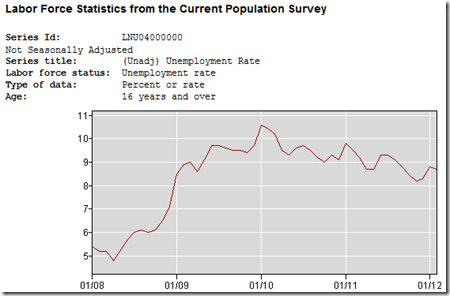
The secret sauce: the seasonal adjustment factors.
I guess a guy doesn’t feel unemployed if he’s unemployed in February … seasonal unemployment is different.
Really?
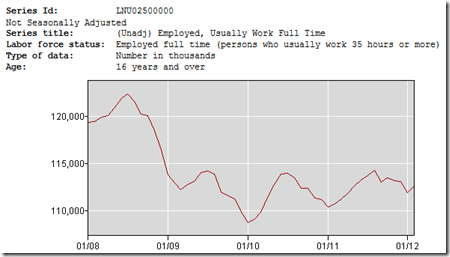
Let’s look at the main data series that goes into the unemployment rate: the number of employed people.
Again, the Feds report steady improvement on a seasonally adjusted basis.

But, when the seasonality factors are backed out, actual employment levels have been going down … consistent with the unemployment claims data.
Finally, for fun, let’s match the seasonally adjusted unemployment rates data (which is reported by the Feds) against the raw numbers (which the Fed calculate but don’t shout out).
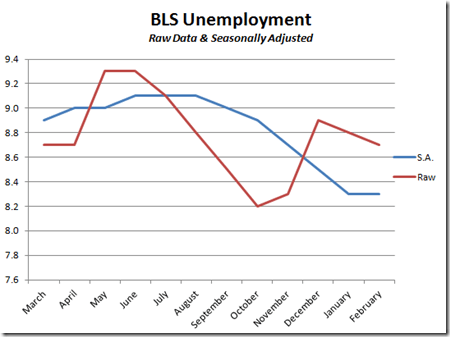
Pretty interesting … says we’re in a period when seasonally adjusting helps the unemployment rate appear more favorable … but when we head into Aug, Sept, Oct, Nov … seasonally adjusting makes the unemployment rate look less favorable.
My next prediction: about mid-summer, the Feds will come out with some cock-and-bull story explaining why they’re going to start report unemployment data that isn’t seasonally adjusted.
And, they’ll say with a straight face that the change in reporting methods has nothing to do with the election.
Yeah, right.
>> Latest Posts
SHARE THIS POST WITH FRIENDS & FAMILY
Tags:BLS, seasonal adjustment, unemployment data
Posted in Employment - Jobs, Unemployment | Leave a Comment »
March 8, 2012
Tomorrow’s BLS report will be very interesting.
On the plus side: ADP, released their proprietary private payrolls jobs report earlier this week. Its usually – but not always – a good leading indicator of the the BLS nums.
Form February, ADP reported a gain of 216,000 private sector jobs.
Last month (January) 2012 ADP’s final num was 173,000 jobs. In contrast, the BLS reported 257,000 seasonally adjusted private sector jobs for January.
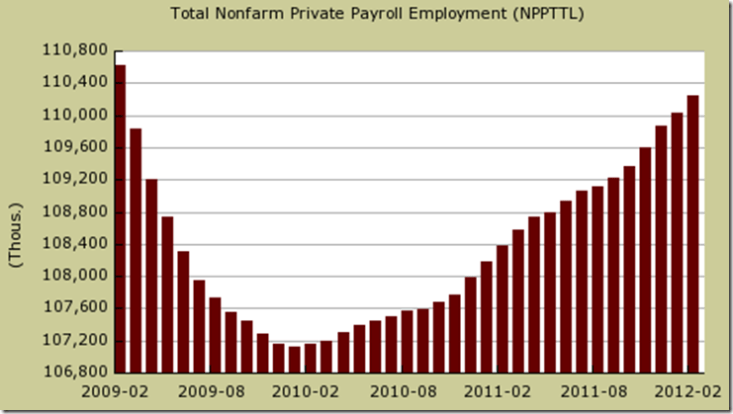
On the minus side:
Today, the BLS reported that the number of U.S. workers filing new applications for unemployment benefits rose for the third consecutive week
Initial jobless claims jumped 8,000 to a seasonally adjusted 362,000 in the week ending March 3.
Most important, Gallup – which nailed the drop to 8.3% last month — has been consistently reporting an unemployment rate of 9% throughout February.
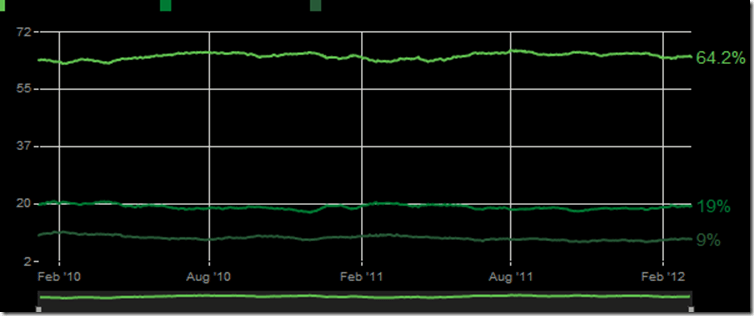
The consensus of economists is that about 200,000 jobs will be reported and that the unemployment rate will hold at 8.3%.
Ken says: seasonally unadjusted jobs will decline, seasonally adjusted jobs will increase less than 200,000 … and the unemployment rate will bump back up to 8.5%
>> Latest Posts
SHARE THIS POST WITH FRIENDS & FAMILY
Tags:ADP, BLS, Gallup, unemployment
Posted in Employment - Jobs, Unemployment | Leave a Comment »
March 1, 2012
OK, I got a bit a head of myself this week …
The December unemployment report was released on January 6 — the first Friday in January,
The January unemployment report was released on February 3 — the first Friday in February,

So, I assumed that the February unemployment report would be released tomorrow March 2 — the first Friday in March,
Wrong.
The BLS says that The Employment Situation for February will be released next Friday, March 9, 2012, at 8:30 a.m. (EST).
My analysis and predictions still hold … a bump up in the rate.
>> Latest Posts
SHARE THIS POST WITH FRIENDS & FAMILY
Tags:BLS, February Report, unemployment
Posted in Employment - Jobs, Unemployment | Leave a Comment »
March 1, 2012
Next week’s unemployment report will be quite interesting.
As we’ve posted before, Gallup’s daily tracking report indicated that the unemployment rate was about 9% in mid-February … and has risen to 9.2%.
Gallup’s mid-month number is usually a good predictor of the BLS’s end-of-month number.
A good test of whether the books are being cooked is to look at the seasonal adjustment factor being applied to total employment.
In January, the BLS increased its seasonal adjustment factor … so, total employment went from a seasonally unadjusted loss of jobs to a seasonally adjusted gain in the number of jobs … and the unemployment rate dropped sharply to 8.3%.
Below is the historical data for the past couple of years re: how much the BLS jacks up February’s total employment numbers via seasonal adjustment.
Takeaway: if the seasonally adjusted total employment is more than about 1.18% higher than the non-seasonally adjusted number, you can suspect some book-cooking.
Let’s see what happens …

>> Latest Posts
SHARE THIS POST WITH FRIENDS & FAMILY
Tags:BLS employment data, book cooking, seasonal adjustments
Posted in Employment - Jobs | Leave a Comment »
February 29, 2012
When the Feds release this week’s unemployment data, expect more chatter about the falling labor participation rate … which reflects the increasing number of discouraged people who have stopped looking for work and don’t get counted in the unemployment numbers.
For the 4 years prior to Obama’s inauguration, the labor force participation rate hung pretty steady … at around 66%.
Since Obama took office, that rate has plummeted to 63.7%.


Let’s try some math skills …
If unemployment is 8.3% with a 63.7% labor force participation rate, what would the unemployment rate be if the participation rate were at the pre-Obama 66%?
Answer: about 11.5% …
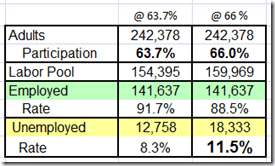
Obama’s economic hope continues to be that more and more people get discouraged — or, just stay on unemployment for the full 99 weeks.
Bingo, down goes the unemployment rate.
>> Latest Posts
SHARE THIS POST WITH FRIENDS & FAMILY
Tags:BLS, labor participation rate, unemployment
Posted in Employment - Jobs | Leave a Comment »
February 27, 2012
In case you missed it this weekend, Gallup’s daily tracking report put unemployment at 9.2% … up from 8.3% in mid-January.

The BLS report this Friday will be vey interesting. Even with more book-cooking via changed methodologies, sample changes, and seasonal adjustments — it’ll be hard to put lipstick on this pig
My prediction: the BLS rate will go from 8.3% to 8.5% …. with a lot smoke re: seasonal adjustments … but nothing would surprise me now that the bean counters have been politicized.
>> Latest Posts
SHARE THIS POST WITH FRIENDS & FAMILY
Tags:BLS, book cooking, Gallup, jobs report, unemployment
Posted in Employment - Jobs, Unemployment | Leave a Comment »
February 21, 2012
You may remember that the BLS reported a dramatic drop in the unemployment rate for January — down from 8.5% to 8.3%.

At the time, we (and many other folks) pointed out that the apparent improvement was largely drive by people leaving the work force, by seasonal adjustments (which were more liberal than prior years), and by a revision in the way that the BLS compiles the numbers.
In other words, smelled like some book-cooking going on.
At the time, we encouraged loyal readers to start watching the Gallup daily tracking of the unemployment rate. Historically, it has been a pretty good canary in the unemployment coal mine.
Typically, Gallup’s mid-month number is a good predictor of the BLS’s end-of-month number.
Well, the Gallup number has increased dramatically from mid-January to mid-February … from 8.3% (same as the BLS end of January number) … up to 9%, where it has bee hanging.
The number reported by the BLS for February will be very, very interesting …
Based on Gallup, the unemployment rate should surge back up.
Unless, of course, somebody cooks the books …

>> Latest Posts
SHARE THIS POST WITH FRIENDS & FAMILY
Tags:BLS, Gallup, unemployment
Posted in Employment - Jobs, Unemployment | Leave a Comment »
February 14, 2012
A couple of weeks ago – when Team Obama was victory lapping over the unemployment rate dropping to 8.3% – we told readers to watch the Gallup daily unemployment surveys as a harbinger of things to come.
Gallup has been saying that the employment numbers in the end of January seemed to be weakening.
Guess what?
After reaching a low of 8.2% in mid-January – consistent with gov’t reporting — the rate has crept back up to 9%.
Hmmm.
A reverse victory lap in the offering?
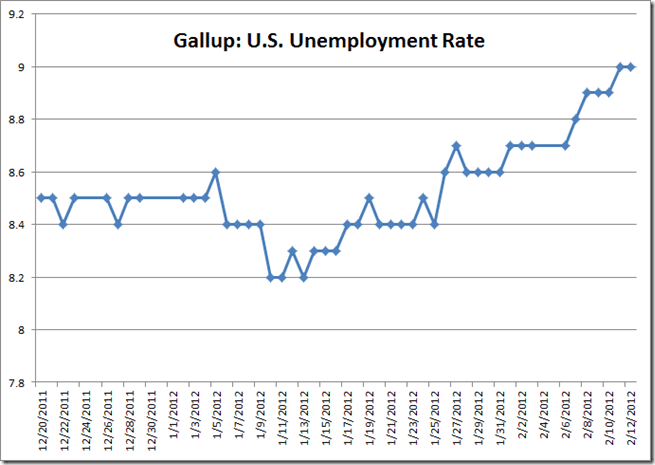
Source: Gallup
>> Latest Posts
SHARE THIS POST WITH FRIENDS & FAMILY
Tags:BLS, Gallup, unemployment
Posted in Employment - Jobs | Leave a Comment »
February 9, 2012
Earlier this week, we blogged about the “interesting” difference between Team O’s job gain claim:
The Labor Department reported that the economy gained 243,000 jobs.
But, the BLS also reported that the economy lost 2,689,000 jobs in the month
The difference in the two numbers is in seasonal adjustment.
Here’s an interesting tidbit that I haven’t seen reported: the January seasonal adjustment factor mysteriously crept up from the factor that was used in January 2011 … with the effect of increasing the number of seasonally adjusted jobs reported.
As Gomer Pyle would say: Surprise, surprise, surprise …


Source: BLS
>> Latest Posts
SHARE THIS POST WITH FRIENDS & FAMILY
Tags:BLS, employment, seasonal adjustment, unemployment
Posted in Employment - Jobs | Leave a Comment »
February 6, 2012
The Feds reported 243,000 new jobs in January … driving the unemployment rate down to 8.3%
Clear evidence that we’re on a roll, right?
Not so fast.
First, numerous sources have pointed out that another 1.2 million people got discouraged and stopped looking for work. They’re no longer counted as unemployed.
Second, as it does every year, the government revised its statistical methodology for the January report. The BLS footnotes say “As a result, household survey data for January 2012 will not be directly comparable with that for December 2011 or earlier periods.”
Hmmm.
Morw specifically, even the NY Times asks: Is the number real ?
How many jobs did the American economy add in January?
The Labor Department estimated on Friday that the economy gained 243,000 jobs.
The department also estimated that the economy lost 2,689,000 jobs in the month
The difference in the two numbers is in seasonal adjustment.
The actual survey showed the big loss in jobs.
The seasonal adjustments produced the reported gain of 243,000 jobs.
A reason to doubt the number is that there has been a tendency in this cycle for the seasonal factors to overstate moves, in both directions.
If the seasonal adjustment was too large, then the gain should be smaller.
Double hmmm.
That’s why I like to track Gallup’s unemployment estimates. Over time, they’ve seemed reliable and — call me cynical — but, they’re less likely to be subject to political manipulation.
For openers, here’s what Gallup said prior to the government release:
The U.S. government’s January unemployment rate that it will report Friday morning will be based largely on mid-month conditions.
The mid-month reading normally provides a pretty good estimate of the government’s unadjusted unemployment rate for the month.
At mid-January, Gallup reported that its unemployment rate had declined to 8.3%, based on data collected through the 15th of the month.
OK, that squares with the Feds number.
But, importantly, Gallup also notes:
Gallup’s unemployment and underemployment measures show deterioration since mid-January.
While the unemployment rate of 8.6% for January is up only modestly from December, this overall increase subsumes the more negative trend of the most recent weeks.
In turn, this also seems consistent with Wednesday’s ADP report showing less job growth in January than in the prior month.
English translation: Expect February’s unemployment rate (reported first week of March) to bounce back up … unless there’s a flurry of new hiring in early February.
Here’s the data …

Ken’s Take:
Here’s what I said before, and I stand by it !
Pundits have been saying that Obama will be ok with a high unemployment rate in 2012 as long as the trajectory is in the right direction. That is, that unemployment is coming down.
Here’s my scenario: unemployment will creep back up and Obama will be facing a high unemployment rate that is rising.
That’s not good for the O-team.
Politically, Obama might have been better off if the rate had stayed closer to 9% for a while … he may be in the awkward position of having a high unemployment rate that’s going in the wrong direction.
It’ll be interesting …
>> Latest Posts
SHARE THIS POST WITH FRIENDS & FAMILY
Tags:discouraged workers, Gallup, Obama, unemployment
Posted in Employment - Jobs, Gallup, Unemployment | 3 Comments »
December 5, 2011
The unemployment rate dropped a lot in November from 9.0% to 8.6%.
That’s good news for us and for President Obama. right?
I’m not so sure.
First, let’s dive into the numbers.
Job growth has been around 100,000 per month for the past couple of months.
But, until November, the unemployment rate has been stuck at 9%.
Hmmm.
Most folks argue that 100,000 to 200,000 is what’s required to handle population growth — the new workers entering the market.
But, in November, 125,000 new jobs pushed the unemployment rate down by .4% – which is huge.
Couple of reasons.
- There are different surveys used to calculate job growth and unemployment rates. It could be that one of the surveys is whacky … either there were more jobs added than reported, or unemployment is under-reported.
- The jobs numbers for the immediately prior months were revised upward. That means that unemployment may have been over-estimated … that the rate really is 8.6% now, but it’s a drop from, say, 8.8% … not 9%
- Most important, about half of the apparent drop in the unemployment is attributable to folks dropping out of the workforce … people who are unemployed but have stopped even looking for new employment.
My bet is that the jobs number is right and that the unemployment rate didn’t really fall by .4% … maybe it fell by one or two tenths of a percent … but not close to 1/2 percent. My eye is on the jobs number.
OK, let’s not quibble over the numbers.
The question is: will November’s 8.6% help or hurt President Obama’s re-election campaign.
Short-run, the President should get an approval bump from the unemployment rate headlines. That’s fair.
But, the new lower number may be an albatross in 2012.
Here’s why.
The unemployment rate is likely to move back up because, historically, as the economy appears to be bouncing back, unemployed folks who aren’t looking for work re-enter the job market and start looking again. In other words, the unemployment rate may creep up because the denominator is getting bigger.
So, even if a modest recovery is taking place – something I don’t believe to be true – the labor market dynamics work against the President.
Pundits have been saying that Obama will be ok with a high unemployment rate in 2012 as long as the trajectory is in the right direction. That is, that unemployment is coming down.
Here’s my scenario, unemployment will creep back up and Obama will be facing a high unemployment rate that is rising. That’s not good.
Further, if Obama chest-pounds the 8.6% now, Congress has less pressure to “pass it now.” So, he may get less of his jobs bill through.
Politically, Obama might have been better off if the rate had stayed closer to 9% … he may be in the awkward position of having a high unemployment rate that’s going in the wrong direction.
It’ll be interesting …
>> Latest Posts
SHARE THIS POST WITH FRIENDS & FAMILY
Tags:Obama re-election campaign, unemployment
Posted in Employment - Jobs, Politics | Leave a Comment »
November 28, 2011
“The way the economy’s running, and the way my business has been hampered by the economy, and the policies of the people in power, I felt that it was necessary to voice my opinion, and warn that I wouldn’t be able to do any hiring.”
So said a Georgia small business owner who posted a sign that has gone viral.
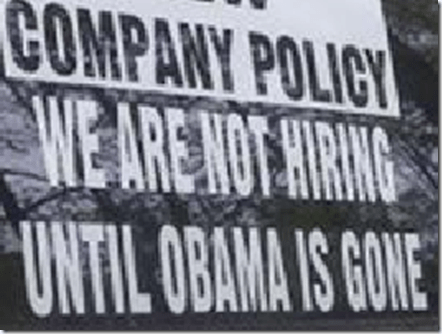
Well, we told so … going back to a July 2009 post titled: “Why private sector jobs won’t be coming back any time soon … hint: it’s called passive aggressive resistance.”
Back then, we were saying:
The bottom line: businesses will resist government policies passive aggressively.
Fewer jobs will get added back than history would suggest, and those that get added back will materialize later than past patterns. Businesses will add jobs as a last resort rather than trying to build capacity ahead of the economic growth curve.
Why should companies increase their costs and risks any more than is absolutely necessary ?
Companies will continue to off-shore jobs, but will be more clever and clandestine about it, e.g. by vertically disintegrating and simply buying goods and services from 3rd parties.
Given the Administration’s anti-corporate rhetoric, actions, and proposed game-changing rules, I doubt that many CEOs will be taking on added costs and risks to boost the administration.
More likely, they will let unemployment continue to creep up, and will slow roll the process of rehiring.
Corporate chieftains will sit back and watch the President squirm and spin his “saved you from a catastrophe” riff .
As Rev. Wright would say “the chickens will have come home to roost”.
Passively aggressive resistance at its very best.
There’s more in the original post.
>> Latest Posts
SHARE THIS POST WITH FRIENDS & FAMILY
Tags:No hiring, Obama
Posted in Employment - Jobs, Jobs - Unemployment | 1 Comment »
November 21, 2011
Obama’s jobs plan has a smorgasbord of hiring incentives … all of which are 1-time credits (e.g. for hiring veterans) or 1-year tax incentives (e.g. eliminating half of employers’ FICA match).
Corp execs’ statements that they don’t hire based on 1-year incentives keep falling on deaf ears, and the Administration keeps serving them up.
Let’s look at a specific and do some simple arithmetic.
According to the Administration’s fact sheet on the Jobs Bill, the lead provision of the bill (about 15% of the $450 billion cost) is a payroll tax cut for businesses.
The President’s plan will extend the payroll tax cut to firms by cutting in half their payroll tax on the first $5 million in payroll. Next year, instead of paying 6.2 percent on their payroll expenses, firms would pay only 3.1 percent.
For example, a firm with 50 workers earning an average of $50,000 a year – for a total payroll of $2.5 million – would receive a payroll tax cut of 3.1% of its total payroll, or about $80,000 – $1,500 per average employee.
By intent, the cut doesn’t do much for big businesses. The maximum benefit that could go to a big company is only $155,000 ($5 million times 3.1%). That’s rounding rounding error – equivalent to maybe 2 “free” hires for 1 year.
Hardly a game changer.
So let’s look at a small business.
At the margin, continuing the fact sheet’s example, a new average employee’s base salary cost is $50,000. Fringes (e.g. health insurance) add on another $10,000. Payroll taxes (pre-credits) adds on another $3,000 … bringing the total to $63,000.
But, companies don’t hire people for 1-year. Once they’re added to the payroll, they stay there for awhile.
How long?
Well, the BLS says that the median tenure of employees is about 4.5 years … with almost 1/3 employees having been on payrolls for more than 10 years.
Let’s take the low number, 4.5 years.
When a company hires an employee, it is implicitly making a commitment of at least $285,000 ($63,000 times 4.5 years).
The Obama plan offsets the cost with $1,500 … a whopping 1/2 of 1%.
Does anybody really believe that will stimulate companies to hire in uncertain times?
I’m betting the under on this one.
>> Latest Posts
SHARE THIS POST WITH FRIENDS & FAMILY
Tags:hiring, Jobs Bill, labor, Obama, unemployment
Posted in Employment - Jobs, Taxes | Leave a Comment »
November 16, 2011
TakeAway: Companies are using online job fairs to save costs and time while providing job searchers with information about the companies and positions available.
* * * * *
Excerpt from WSJ: “Virtual Fairs Offer Real Jobs”
Companies are turning to virtual career fairs. Employers say these online forums — accessed by companies and job seekers from anywhere in the world — can save them time and money, as well as broaden the candidate pool.
Candidates learn about fairs through the company’s website, social-networking services such as Facebook and Twitter, or word of mouth.
Procter & Gamble and Citigroup customize their own company-specific virtual career fairs. Other firms join broad-based virtual career fairs hosted by companies like jobs sites Monster.com. The group fairs host anywhere from a handful to hundreds of companies.
The fairs are less about landing a job offer, say HR experts, and more about generating interest among candidates.
Lourdes Fuentes, a marketing executive with P&G, says the virtual fair is cost- and time-efficient because she can access it from her office and doesn’t have to spend a full day traveling.
Edit by ARK
>> Latest Posts
SHARE THIS POST WITH FRIENDS & FAMILY
Tags:job fairs, Jobs, vitual resumes
Posted in Employment - Jobs, MBAs | Leave a Comment »
November 15, 2011
Interesting piece in Business Week …
Punch line: Sure, it costs more, and technology is threatening high-paying jobs. But the Great Recession shows postsecondary education is more valuable than ever
Supporting factoids:
The share of jobs in the U.S. economy requiring postsecondary education went up from 28 percent in 1973 to 59 percent in 2008… … and is projected to increase to 63 percent over the next decade.
* * * * *
Median earnings in 2008 …
- College graduate with a BA working full-time … $55,700
- Associates Degree (typically awarded by community and technical colleges) … $42,000.
- High school-only grads … $33,800
- Without a high school diploma ….$24,300
* * * * *
Earnings Power
About 25 percent of those in the top 40% of wage earners have only a high school diploma.
About 20 percent of workers with a college degree are in the lowest 40% of wage earners.
* * * * *
Unemployment rates:
- 4.3% for college graduates and above who are 25 years and older.
- 9.5% for high school graduates
- 13.9% for those with less than a high school education
>> Latest Posts
SHARE THIS POST WITH FRIENDS & FAMILY
Tags:College, employment, wages
Posted in Education - Academics, Employment - Jobs | Leave a Comment »
November 9, 2011
Based on the Wall Street Occupiers and the mainstream media reports, you’d think it’s sky high, right?
Well, according according to the BLS it’s 4.5%. … that’s versus 9.1% for all categories, 14.3% for drop-outs, 9.3% for high school grads, and 8.9% for those with some college.
Hmmm.


>> Latest Posts
SHARE THIS POST WITH FRIENDS & FAMILY
Tags:College, unemployment
Posted in College, Education - Academics, Employment - Jobs | Leave a Comment »
October 21, 2011
Gene Sperling – one of the Obama’s economic hacks – has an editorial in today’s WSJ trying to defend the “pass it now” Jobs Bill.
First, he argues that
“It provides a strong and immediate boost to demand that could create up to 1.9 million jobs, increase growth by up to 2%, and lower unemployment, according to independent economists such as Moody’s Analytics.
First, note that the administration has at least learned a lesson re: setting benchmarks. The squirrely “up to” is a maximum, not a minimum. So, the result can be anything less than those benchmarks and they can declare success. Huh? I wish my pay-for-performance targets had been “up to a 2 point share gain”. I would have gotten rich.
Second, I like the phrase “such as Moody’s Analytics”. Obama has been saying “all economists agree”. Based on SAT training, we all know that “all” is usually not the answer. The only economist I’ve seen on record is Mark Zandi at Moody’s. He’s the guy who said the first stimulus would keep unemployment under 8%. And, oh yeah, one of Moody’s biggest shareholder’s is Warren Buffett. Coincidence?
Sperling also argues that the provisions of the Jobs Bill are “specifically designed to take on the problem of long-term unemployment.” It includes:
- A tax credit for hiring the long-term unemployed and veterans
- A ban on hiring discrimination against the unemployed
- Major reforms to our unemployment-insurance system, including wage insurance to assist workers whose new job pays less than their old
- A “Bridge to Work” program to help the unemployed reconnect with the labor force through temporary work
- Job-search assistance for all long-term unemployed
- Support for unemployed workers looking to become entrepreneurs.
Some on these provisions are laudable – at least on the surface. I don’t think anybody is against helping veterans, or providing job search assistance.
Bot others are questionable. For example, take the provision that would give those claiming discrimination a right to sue, and violators would face fines of up to $1,000 per day, plus attorney fees and costs.
Why do we need that?
Sperling says “the National Employment Legal Program recently found, in a span of four weeks, over 150 Internet job postings that include “do not apply” notices discriminating against those who are currently unemployed.”
Oh my God — 150 evil posting in a month … out of the gazillion web postings each month Statistically insignificant – and certainly not worth another slew of frivolous law suits. Cue the trial lawyers.
And, if your new job pays less, taxpayers will make up the difference?
Who thinks this stuff up?
>> Latest Posts
SHARE THIS POST WITH FRIENDS & FAMILY
Tags:Jobs Act, Sperling, WSJ
Posted in Employment - Jobs | Leave a Comment »
October 13, 2011
I guess I shouldn’t be poking fun at this one, but I can’t resist …
First, the facts:
Excerpted from WSJ : Starbucks Pushes to Create Jobs
Starbucks CEO Howard Schultz, who has been on a mission to cut the national debt and boost job creation, has pledged to donate at least $100,000 of profits annually to boost jobs in low-income areas
Profits from Starbucks stores in the Harlem section of Manhattan and the Crenshaw neighborhood of Los Angeles will go toward two community organizations that work to improve education and job training for young adults in those areas.
High-school students in those neighborhoods also will receive barista training at the Starbucks shops.
Ken’s Take:
1) $100,000 ??? Come on Howard, that’s the equivalent of about 50 lattes per day … if you’re going to step-up, then STEP-UP !
2) Can’t you just imagine the reaction of the neighborhood kids … “Hot damn, dreams come true, I can be a Barista”
>> Latest Posts
SHARE THIS POST WITH FRIENDS & FAMILY
Tags:Barista training, Jobs, Starbucks
Posted in Employment - Jobs | Leave a Comment »
October 10, 2011
Punch line: Obama’s job bill would let unemployed folks sue an employer with an opening if they think they haven’t received due consideration in the hiring process.
Excerpted from AP: Unemployed seek protection against job bias
A growing number of unemployed or underemployed Americans are complaining that they are being screened out of job openings for the very reason they’re looking for work in the first place.
Because they’re unemployed.
Some companies and job agencies prefer applicants who already have jobs, or haven’t been jobless too long.
They may get help from a provision in President Barack Obama’s jobs bill, which would ban companies with 15 or more employees from refusing to consider — or offer a job to — someone who is unemployed.
The provision would give those claiming discrimination a right to sue, and violators would face fines of up to $1,000 per day, plus attorney fees and costs.
Let me get this straight.
So, when benefits run out after 99 weeks – almost 2 years – then companies must hire them.
Perhaps there’s a reason that the 9% who are unemployed aren’t in the group of 91% who are employed.
You think ?
>> Latest Posts
SHARE THIS POST WITH FRIENDS & FAMILY
Tags:Obama's jobs bill, unemployment
Posted in Employment - Jobs | Leave a Comment »
October 5, 2011
As far back as July, 2009, the HomaFiles is on record as saying that the economic recovery would be slow and delayed for reasons beyond pure economics. That CEOs would be reluctant to hire as long as the Administration was punitively anti-business.
At the time, we said:
The bottom line: businesses will resist government policies passive aggressively. Fewer jobs will get added back than history would suggest, and those that get added back will materialize later than past patterns. Businesses will add jobs as a last resort rather than trying to build capacity ahead of the economic growth curve. Why should companies increase their costs and risks any more than is absolutely necessary ? Companies will continue to off-shore jobs, but will be more clever and clandestine about it, e.g. by vertically disintegrating and simply buying goods and services from 3rd parties.
Given the Administration’s anti-corporate rhetoric, actions, and proposed game-changing rules, I doubt that many CEOs will be taking on added costs and risks to boost the administration. More likely, they will let unemployment continue to creep up, and will slow roll the process of rehiring. Corporate chieftains will sit back and watch the President squirm.
Why private sector jobs won’t be coming back any time soon … hint: it’s called passive aggressive resistance, July 21, 2009
My view wasn’t really original thinking. It was simply what I was hearing privately from senior biz execs.
Well, a couple of years later, the argument seems to be catching some traction.
In an article titled The Coming Post-Obama Renaissance, Victor Davis Hanson writes:
When Obama leaves office, there will be a sense of psychological release in the business community that will lead to a far greater “stimulus” than printing more money.
the country is still growing, still needs new homes, more food, and more energy.
We are not a shrinking nation with the demographic crises of a Europe or Russia.
Soon the mounting pressure will be released by a new change in government and we will see a recovery that should have occurred more than two years ago when the recession officially “ended” in June 2009 — only all the more enhanced due to its delay.
If I were a GOP President-elect, I’d call in the business movers & shakers … tell them that I’ll be working feverishly to support business … and ask them to give the benefit of the doubt and to start making decisions “at the margin” – e.g. an extra job here or there – to move the economy ahead. Not dumb stuff – just some decisions at the margin. Suddenly, there would be a virtuous cycle.
Remember, you heard it here first. …
>> Latest Posts
SHARE THIS POST WITH FRIENDS & FAMILY
Tags:Economic recovery, Passive aggressive behavior, Post-Obama Renaissance
Posted in Economics, Employment - Jobs, Obama | Leave a Comment »
September 15, 2011
Punch line: Along with Obama’s Son-of-Stimulus comes a provision to prohibit discrimination based on a job applicant’s unemployment status … that is, whether they are currently unemployed or have had gaps in their work record.
Excerpted from Wash Post: “Bill to protect unemployed job applicants could hurt employers”
With no more pressing priority in Congress than creating jobs, the House and the Senate recently proposed near-identical versions of the Fair Employment Opportunity Act of 2011 to prohibit discrimination based on a job applicant’s unemployment status.
The proposals prohibit considering the present or past unemployment of employee candidates.
And, the proposals severely restrict an employer from inquiring into gaps in the work history of employee candidates — standard fare for any job interview.
Certainly, in a bad economy there are millions of Americans who are unemployed through no fault of their own.
But in good and even troubled economic times, long bouts of unemployment may bespeak a bad work ethic or some other improper behavior — a legitimate consideration for any employer.
Simply put, the potential unintended consequences of Congress’s proposal may exacerbate the disease that members of Congress so desperately seek to cure.
You just can’t make this stuff up …
>> Latest Posts
SHARE THIS POST WITH FRIENDS & FAMILY
Tags:Discrimination, Gov't Policies, Jobs, Regulations
Posted in Employment - Jobs | Leave a Comment »
September 14, 2011
A month ago, we blogged why hiring incentives are a bad idea.
Apparently the stumblebums at the White House don’t follow the HomaFiles.
Last week, one of the globs that Obama threw against the wall was a one-time $4,000 tax credit for every person hired – provided that they’d been unemployed for at least 6 months. .
At first blush, it sounds like a good idea.
But it’s not.
First, no sensible employer is going to make incremental hires for a single year of benefits. If they do, there are equal odds that they’ll jettison the employees when the waiver expires.
More important, the program punishes “responsible” companies by rewarding hard-hearted ones.
Let me explain.
Say, company A laid off 20% of its workforce during the recession – largely due to the business slowdown, but also the result of opportunistic house-cleaning – getting rid of slackers and dolts.
Comparable company B laid off a couple employees due to the downturn, but – took its lumps – and kept most of its employees on the payroll, even though many weren’t really needed.
Along comes the hiring incentive.
Which company gets it?
Yep, company A – the company that shed employees.
What does company B get for standing by its employees.
Nothing.
Sound fair to you?
Sounds like punishing responsible behavior … again!
And, the program is likely to encourage dysfunctional behavior.
For example, now that the idea has been proposed … why in the world would any company hire employees until the legislation is either passed or killed?
My bet: there will be a marginal decrease in hiring as companies wait and see.
Further, ruthless companies may start forcing attrition among recent hires, in order to replace them with tax-incentivized folks off the unemployment rolls.
Net gain: zero.
Behavioral note:
How can they force attrition?
Easy.
Just start assigning low seniority employess undesirable work schedules, e.g. split shifts
Most often, companies won’t step-up their hiring, they’ll just bag the tax credit for folks they were going to hire any way ((think Cash for Clunkers and Home Buying Credit).
In marketing parlance, it’s called “dilution”.
Never ceases to amaze me how naïve the Administration is re: how businesses work …
>> Latest Posts
SHARE THIS POST WITH FRIENDS & FAMILY
Posted in Employment - Jobs, Stimulus Bill | Leave a Comment »
September 12, 2011
Punch line: One reason the Stimulus was, at best, marginally successful … and, why Son-of-Stimulus is unlikely to spike the economy … is what economists call the liquidity trap.
Translation: people paying off debts and saving for a rainy day … just like they’re supposed to.
Econo-journalist Robert Samuelson summarizes the situation as follows …
Since 2007, households have lost $7 trillion in wealth, mostly from lower home and stock prices.
To restore that wealth, many Americans are saving more, spending less and repaying debt.
That’s why the past year’s continuing massive stimulus (huge budget deficits, low interest rates) didn’t do more for economic growth.
The answer, I think, is psychology.
Small changes in precautionary behavior by anxious consumers and companies offset stimulus.
Suppose, for example, consumers raised their savings rate by three percentage points; that would neutralize three quarters of Obama’s program.
The surprise and brutality of the financial crisis left a powerful legacy of risk aversion.
Companies — like consumers — have become defensive. They accumulate a cash hoard against unknown threats.
Our political leaders have also compounded the caution and fear; indeed, government policies sometimes cause unwanted behavior.
The liquidity trap, among other reasons, is why O’s proposed $450 billion debt-financed slush fund is a bad idea.
>> Latest Posts
SHARE THIS POST WITH FRIENDS & FAMILY
Posted in Employment - Jobs, Stimulus Bill | Leave a Comment »
September 9, 2011
Simple.
The GOP-led Congress should draft and pass the “Barack Obama Stimulus Act of 2012 (aka. “American Jobs Act”) containing substantially all of the program that the Presidential teleprompter channeled through Obama.
Why?
First, let’s acknowledge that the money will be a complete waste. There’s no reason to expect that Son-of-Stimulus will be any more successful than its predecessor.
And, I’m assuming that the price tag really is $450 billion – chump change in this era of reckless spending that rewards irresponsibility and mortgages the future…. especially since the President promised that it would be paid for (yeah, right).
The biggest political downside (to the GOP and the country) is that Obama will have a $450 billion election year slush fund to sprinkle across his constituencies – unions, blue-state governments, etc.
But, passing Stimulus Deux would clearly put the economic recovery — or lack thereof — on Obama’s shoulders.
If it turns the economy around, Obama gets the credit. That’s fair.
If it bombs, Obama loses his major campaign pitch: the GOP tied my hands.
He’d be left with the silly claim: “woulda been worse, I saved you from Armageddon again”.
I say pass it and sit back.
If it works, we have an economic burst.
If it fails, we get a president who understands business and economics.
For the country, it’s a win either way.
>> Latest Posts
SHARE THIS POST WITH FRIENDS & FAMILY
Posted in Economics, Employment - Jobs, Obama | 2 Comments »
September 8, 2011
Punch line: In August, the unemployment rate for blacks surged to 16.7% in August, its highest rate since 1984; unemployment rate for whites fell slightly to 8%.
Black men have it the worst, with joblessness at a staggeringly high 19.1%, compared to 14.5% for black women.
Black unemployment has been roughly double that of whites since the government started tracking the figures in 1972.

According to CNNMoney …
Economists blame a variety of factors:
- The black workforce is younger than the white workforce
- Fewer numbers of blacks get a college degree
- Many blacks live in areas of the country that were harder hit by the recession
But even excluding those factors, blacks still are hit with higher joblessness.
“Even when you compare black and white workers, same age range, same education, you still see pretty significant gaps in unemployment rates suggesting that racial discrimination in the labor market continues to play a role.”
* * * * * *
And according to Gallup, 83% of blacks approve of the job that Obama is doing as President …

>> Latest Posts
SHARE THIS POST WITH FRIENDS & FAMILY
Posted in Employment - Jobs, Polls & Surveys | Leave a Comment »
September 7, 2011
Garett Jones & Daniel Rothschild — George Mason economists — surveyed employers to determine the impacts of Obama’s trillion dollar Stimulus.
Their report “Did Stimulus Dollars Hire the Unemployed?” presents several interesting conclusions.
Most noteworthy:
Just 42.1 percent of the workers hired at Stimulus-receiving organizations, were unemployed at the time they were hired.
More were hired directly from other organizations (47.3 percent)
A handful of hires came from school (6.5%) or from outside the labor force (4.1%)
Thus, there was an almost even split between “job creating” and “job switching.”
Bottom line: Hiring isn’t the same as net job creation.
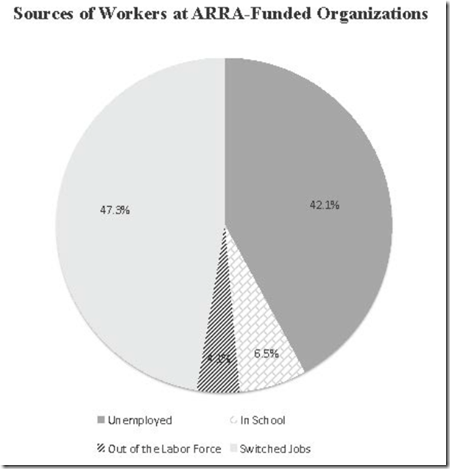
Technical note: To be fair, there are 2nd and 3rd order effectc. That is, firms that get poached may need to hire replacement workers — who may be drawn from the unemployment roles. So, the Stimulus may have reduced unemployment more than the survey indicates.
>> Latest Posts
SHARE THIS POST WITH FRIENDS & FAMILY
Posted in Employment - Jobs, Stimulus Bill | 1 Comment »
August 31, 2011
When Press Secretary Carney was asked for specifics re: Obama’s job plan, he brushed of the question by saying that Obama hasn’t finished conjuring his new jobs plan.
Carney said. “He is still having conversations and meetings and looks to finalize his plan next week, so the answer is no, he’s not complete with that process. The process is continuing, aspects of it still need to be decided.”
When asked if Obama’s speech will be scored by the CBO, he answered: “Don’t expect specifics from the White House on the jobs plan, like how much it will cost.”
Full text
* * * * *
Obama’s mystery jobs plan is certainly a gift that keeps on giving.
Didn’t he ”pivot to jobs” a couple of years ago … and aren’t jobs the first thing he thinks about in the morning and the last thing he thinks about at night?
Geez.
>> Latest Posts
SHARE THIS POST WITH FRIENDS & FAMILY
Posted in Employment - Jobs, Obama | Leave a Comment »
August 24, 2011
Answer: Not much … but, I bet you suspected as much.
According to Freakonomics and The Atlantic:
A new study by economists from Princeton and the University of Chicago breaks it down. The bulk of foregone market work time during the recent recession, they say, is spent on leisure. Only 1% is spent searching for a job.
Hmmm
![large[1]](https://homafiles.info/wp-content/uploads/2011/08/large1_thumb.png?w=450&h=283 "large[1]")
* * * * *
Time distribution of unemployed Americans:
- 20% to sleeping.
- 15% to “other leisure,” including listening to music and being on the computer, exercising and recreation, and hobbies such as arts, collecting, writing.
- 13% to core home production activities (cooking, cleaning, laundry, etc.)
- 12% to watching TV.
- 12% to time investments in own health care, own education, and civic activities.
- 8% to increased shopping.
- 7% to home maintenance and repair.
- 6% to child care.
- 4% to the care of other older adults.
- 1% of the foregone market work hours are allocated to job search.
Ken’s Take: 99 weeks of unemployment benefits sure can shift a person’s priorities …
>> Latest Posts
SHARE THIS POST WITH FRIENDS & FAMILY
Posted in Employment - Jobs, Unemployment | Leave a Comment »
August 22, 2011
An idea being floated as part of Obama’s September plan is to offer employers incentives – say, a year’s waiver on unemployment insurance premiums – for any new hires.
At first blush, it sounds like a good idea.
But it’s not.
First, no sensible employer is going to make incremental hires for a single year of benefits. If they do, there are equal odds that they’ll jettison the employees when the waiver expires.
More important, the program is likely to punish responsible companies and reward irresponsible ones.
Let me explain.
Say, company A laid off 20% of its workforce during the recession – largely due to the business slowdown, but also the result of opportunistic house-cleaning – getting rid of slackers and dolts.
Comparable company B laid off a couple employees due to the downturn, but – took its lumps – and kept most of its employees on the payroll, even though many weren’t really needed.
Along comes the hiring incentive.
Which company gets it?
Yep, company A – the company that shed employees.
What does company B get for standing by its employees.
Nothing.
Sound fair to you?
Sounds like punishing responsible behavior … again!
P.S. And, now that the idea has leaked … why in the world would any company hire employees now.?
Smart ones will sit back and wait for the incentives to kick in.
>> Latest Posts
SHARE THIS POST WITH FRIENDS & FAMILY
Posted in Employment - Jobs | 1 Comment »
August 19, 2011
The sign over the door to my high school’s football locker room reminded players that “excuses are for losers”.
Obviously, Pres. Obama didn’t play football for the Maple Heights Mustangs … or, I imagine, any of the thousands of HS or college teams that paste the slogan in their locker rooms.
Why is that a safe bet?
In “Did Bo (Obama’s Dog) Eat The Recovery?”, IBT has a nice recap of the people and events that te President wants to blame for the bad economy
In his inaugural address 2 1/2 years ago, President Obama called for a “new era of responsibility.” Yet lately, his main goal in life seems to be escaping any responsibility for the lousy economy.
It’s getting so you have to keep a list of everyone and everything Obama wants to blame for the anemic economic recovery.
So far, it includes:
• President Bush: Obama continues to blame Bush for the mess he inherited, despite the fact that the recession had pretty much bottomed out by the time Obama took office and was officially over a mere four months after he was sworn in.
• ATMs: In June, Obama blamed automated teller machines and airport check-in kiosks for the lack of jobs, saying that “businesses have learned to become much more efficient, with a lot fewer workers.”
• Republicans: On Monday, Obama said that because “some in Congress would rather see their opponents lose than America win, we ended up creating more uncertainty and more damage to an economy that was already weak” — a thinly veiled attempt to blame the GOP for the economic malaise.
• Gridlock: Obama goes after partisan impasses. What he’s really complaining about is that lawmakers haven’t enacted his latest “stimulus” plan — spending hikes, gimmicky tax breaks and a massive tax hike — that has already been tried and failed.
• The media: In July, Obama said the “splintered” press was in part to blame for Washington’s failure to boost the economy. “If you never even have to hear another argument,” he said, “then over time you start getting more dug in into your positions.”
• Businesses: Obama has often blamed companies needlessly sitting on massive piles of cash. In May, he insisted that firms should “step up” and start hiring.
• Misfortune: “Over the last six months, we’ve had a string of bad luck,” he said at a town hall on Monday, citing the Arab Spring, the Japanese tsunami and Europe’s debt crisis. “So there were a bunch of things taking place over the last six months that were not within our control.”
At a press conference this summer, Obama said: “I’m not interested in finger-pointing.”
But that’s all he’s been doing for months.
Wouldn’t it be nice if Obama instead were to live up to his inaugural credo and start his own “era of responsibility” by admitting his role in the country’s economic slump?
As the sign says “excuses are for losers” …
>> Latest Posts
SHARE THIS POST WITH FRIENDS & FAMILY
Posted in Economy, Employment - Jobs, Obama | Leave a Comment »
August 5, 2011
Only 18,000 net new jobs were created in the U.S. in June.
To put it in perspective: Canada created more net new jobs last month (28,400) than the U.S. did — with nine times Canada’s population.
* * * * *
Drilling down …
- For college graduates overall, the unemployment rate stands at 4.4%
- The unemployment rate for recent college grads is 6.4% … compared to 3.5 percent four years ago. .
- The unemployment rate for those with only a high school degree is 10%.
- That rate more than triples — to 14.3%— for high school dropouts.
- And teens, now competing more than usual with experienced and educated jobseekers, are experiencing 24.5% unemployment.
Source: The Hill
* * * * *
Ken’s Take: Maybe change, but not much hope.
What ever happened to the Administration’s “pivot to jobs”?
>> Latest Posts
SHARE THIS POST WITH FRIENDS & FAMILY
Posted in Employment - Jobs | Leave a Comment »
August 2, 2011
According to Fortune …
20% of American men are not working.
That’s right.
One out of five men in this country are collecting unemployment, in prison, on disability, operating in the underground economy, or getting by on the paychecks of wives or girlfriends or parents.
The equivalent number in 1970, according to the McKinsey Global Institute, was 7%.
And, things don’t seem to be getting any better.
Ouch.
>> Latest Posts
SHARE THIS POST WITH FRIENDS & FAMILY
Posted in Employment - Jobs | Leave a Comment »
July 22, 2011
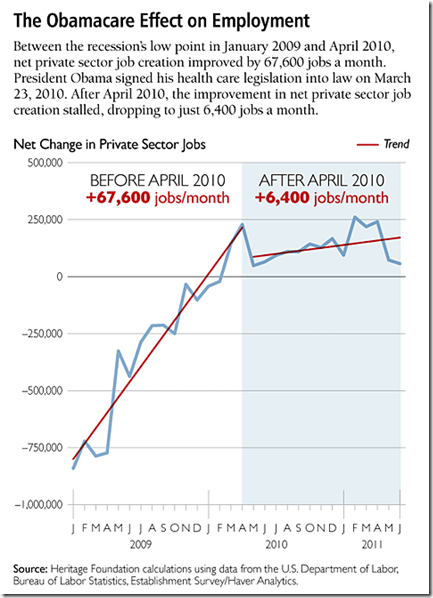
Interesting analysis by the Heritage Foundation …
While correlation doesn’t necessarily imply causation, there are reasons to believe:
- Companies under 5o people get waivers … so the cost of adding the 51st employee is very high
- Bigger companies aren’t sure what plans will qualify and what the costs will be …. few believe the bull that healthcare costs will go down.
Draw your own conclusion.
>> Latest Posts
SHARE THIS POST WITH FRIENDS & FAMILY
Posted in Employment - Jobs, Health Care / Medical Insurance | Leave a Comment »
July 21, 2011
Gotta use Steve Wynn’s “Obama the wet blanket” remarks to flashback.
For the record, Homa Files has been all over this cause & effect for over 2years.
Here’s a reprise of the post: “Why private sector jobs won’t be coming back any time soon”
* * * * *
The dismal jobs picture isn’t really very mysterious: CEOs are dismayed by Team Obama’s economic, regulatory and pro-union policies and won’t do any serious hiring while Obama is in power.
For the record, the Homa Files pitched this case almost 2 years ago in a post titled: “Why private sector jobs won’t be coming back any time soon … Hint: it’s called passive aggressive resistance” … the punch lines:
Given the Administration’s anti-corporate rhetoric, actions, and proposed game-changing rules, I doubt that many CEOs will be taking on added costs and risks to boost the administration.
More likely, they will let unemployment continue to creep along, and will slow roll the process of rehiring.
Corporate chieftains will sit back and watch the President squirm and spin his “4 million jobs – saved or created”. As Rev. Wright would say “the chickens will have come home to roost”. Passively aggressive resistance at its very best.
Unfortunately, that means we’ll be seeing high unemployment for some time – at least through the 2012 Presidential elections.
The full original post is worth another read !
* * * * *
Ken’s current take:
Certainly there won’t be any meaningful hiring until the 2012. elections are in the book.
CEO heels are dug in. I’ve heard cocktail party chatter like “Each job added is a vote for Obama … Fool me once, shame on you … fool me twice, shame on me”
CEOs started to relent a bit when the Congress tilted GOP and Obama extended the Bush tax cuts. (Whatever happened to Immelt’s job creation task force?)
But, recent moves – e.g. stopping Boeing’s move to South Carolina, stumping again for higher taxes, especially on off-shore profits – have more than offset any momentum.
We’ll be stuck with unemployment in the 9s until 2012 … or until there’s a substantial policy roll-back – e.g. repealing ObamaCare.
And, the latter just ain’t gonna happen …
>> Latest Posts
SHARE THIS POST WITH FRIENDS & FAMILY
Posted in Employment - Jobs | 1 Comment »
July 14, 2011
According to the National Journal … .
Two years after the Great Recession officially ended, job prospects for young Americans remain historically grim.
More than 17 percent of 16-to-24-year-olds who are looking for work can’t find a job.
- The percentage of young people who are working—has plunged to 45 percent.
Taken together, the numbers suggest that the U.S. job market is struggling mightily to bring its next generation of workers into the fold.
College graduates who enter the labor force during a recession make significantly less money — in their first year and over the course of their careers — than grads who walk into an economic boom.
Not surprisingly, polls suggest that America’s young people have grown more pessimistic about the economy and their own future fortunes.

>> Latest Posts
SHARE THIS POST WITH FRIENDS & FAMILY
Posted in Employment - Jobs | Leave a Comment »
July 13, 2011
Some sobering statistics reported in the Chicago Sun Times …
“History is going to say the black middle class was decimated” over the past few years.
For many in the black community, job loss during this recession has knocked them out of the middle class and back into poverty.
- In 2004, the median net worth of white households was $134,280, compared with $13,450 for black households.
- By 2009, the median net worth for white households had fallen 24 percent to $97,860; the median net worth for black households had fallen 83 percent to $2,170.
- Blacks are overrepresented in state and local government jobs that are being eliminated because of massive budget shortfalls.
- Since 2009, the overall unemployment rate has fallen slightly, while the black unemployment rate has risen from 14.7 to 16.2 percent — The highest rate since the government began keeping track in 1972.
- Only 56.9 percent of black men over 20 were working, compared with 68.1 percent of white men.
- The college-educated unemployment rate is 3.9 percent for whites and 7 percent for blacks.
- Nearly 8 percent of African Americans who bought homes from 2005 to 2008 have lost them to foreclosure, compared with 4.5 percent of whites.
Some see a bitter irony in soaring black unemployment and the decline of the black middle class on the watch of the first black president.
* * * * *
Ken’s Take: No question, the recession has hit the lower rungs of the economy most severely. The numbers are striking.
Note: According to Gallup, Over 80% of blacks still approve of job President Obama is doing …

>> Latest Posts
SHARE THIS POST WITH FRIENDS & FAMILY
Posted in Demograhics, Economics, Employment - Jobs | Leave a Comment »
June 24, 2011
This is a classic that I had forgotten.
Reprised in the WSJ in response to Obama’s blaming ATMs for taking jobs from gum-chewing tellers:
The story goes that Milton Friedman was once taken to see a massive government project somewhere in Asia.
Thousands of workers using shovels were building a canal.
Friedman was puzzled.
Why weren’t there any excavators or any mechanized earth-moving equipment?
A government official explained that using shovels created more jobs.
Friedman’s response: “Then why not use spoons instead of shovels?”
Now, I guess the President will be looking for spoon-ready public works projects …
* * * * *
SHARE THIS POST WITH FRIENDS & FAMILY
Posted in Employment - Jobs | 2 Comments »
June 21, 2011
Now that the “Bush’s fault” excuse is getting a bit dated, liberal economists are starting to push alternative alibis.
For example, journalist-economist Robert Sameulson says there’s a Great Jobs Mismatch causing “structural unemployment”:
In any dynamic economy, constant changes in technologies, products and companies naturally create gaps between skills available and skills wanted.
A survey for the National Association of Manufacturers … found that companies still faced shortages … for engineers and scientists and among aerospace, defense and biotechnology firms.
For skilled blue-collar jobs, high schools have de-emphasized vocational training, community colleges often aren’t well-connected to local job markets, and union apprenticeship programs have withered
“The number one cause for difficulty in filling positions (cited by 45 percent of companies) is lack of sufficient experience.” So it’s a Catch-22: You can’t get hired unless you have experience; but you can’t get experience unless you’re hired.
Americans are less willing to move to take jobs. The McKinsey study reports that, in the 1950s, one in five Americans moved every year; now it’s one in 10. “Work is more mobile than workers,”
* * * * *
Ken Asks:
If it’s a matter of workers being underskilled, why are there “now hiring” signs in box retailers and fast-food joints?
Why aren’t there more pick-up trucks in the parking lot of Anne Arundel Community College – which offers a deep catalog of vocational courses?
Why aren’t construction sites operated 7 X 24 – using multiple crews working around the clock? Would get jobs done fater and emplyee more people …
Why won’t people fish where the fish are – e.g. move from, say, Detroit to Texas?
Does anybody really believe that no American citizens would take the jobs currently occupied by illegals?
SHARE THIS POST WITH FRIENDS & FAMILY
Posted in Employment - Jobs | 2 Comments »
June 16, 2011
… you’re more likely than average to have lost your job in the past year.
Last week’s CNN-Opinion Research Poll, asked folks if they lost their job in the past 12 months.
Overall,18% of the sample said they lost their job in the past 12 months.
Some interesting numbers from the ‘internals’:
- 21% of men lost their jobs, 15% of women
- 26% of non-whites lost their jobs, 14% of whites
- 21% who didn’t attend college lost their jobs, 16% who attended college
- 25% of self-identified Liberals lost their jobs, 17% of Conservatives, 14% of Moderates
- 25% of folks living in the West lost their jobs, 19% of Southerners, 14% of Northeasters, 11% of Midwesterners
Draw your own conclusions …
SHARE THIS POST WITH FRIENDS & FAMILY
Posted in Employment - Jobs, Polls & Surveys | Leave a Comment »


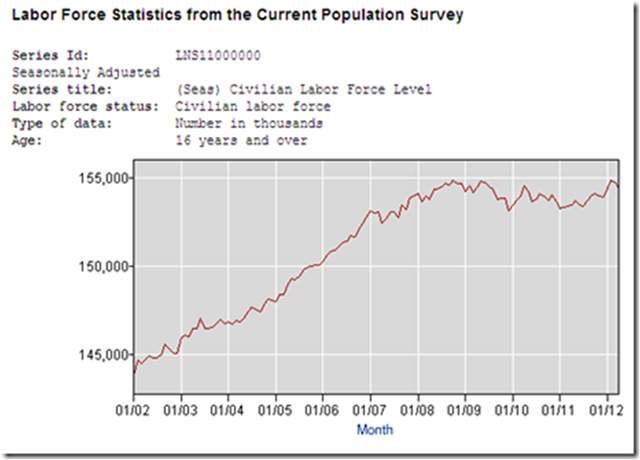
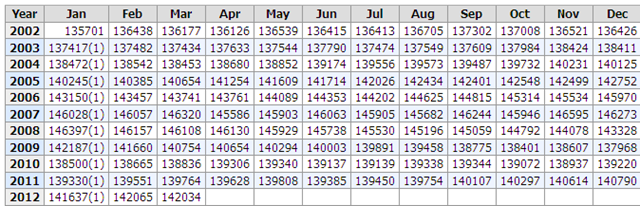
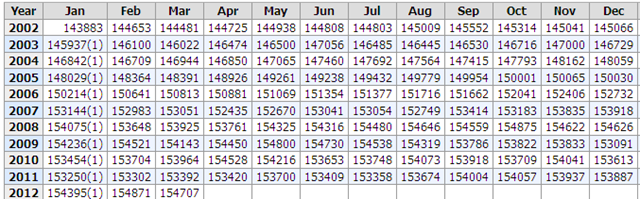


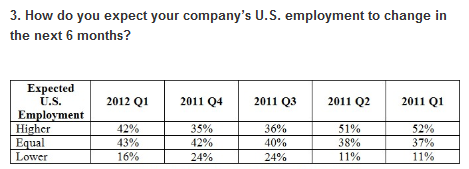


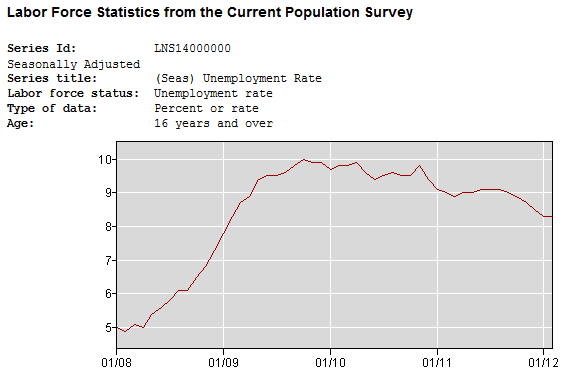
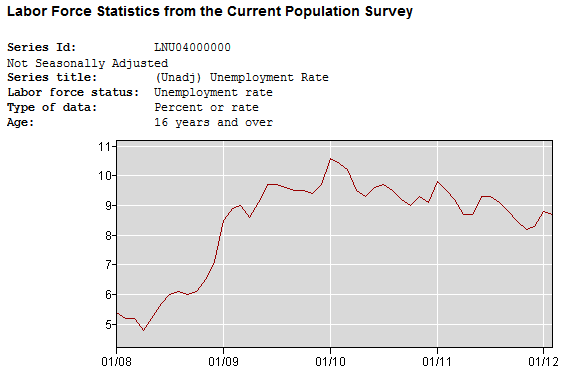
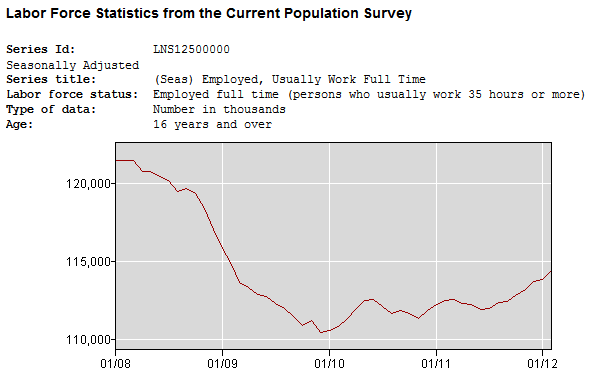
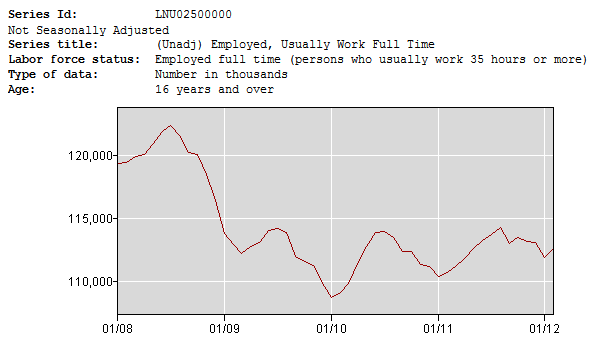
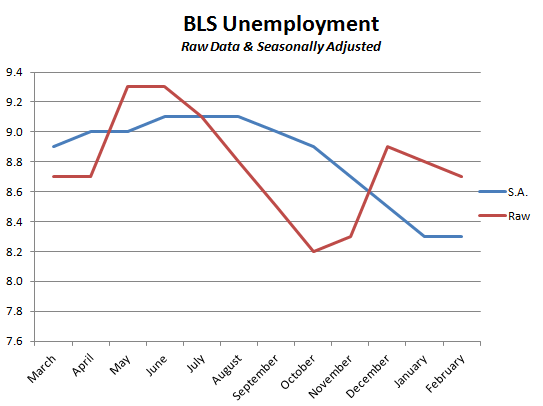
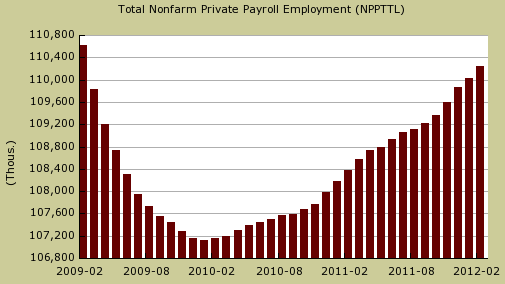
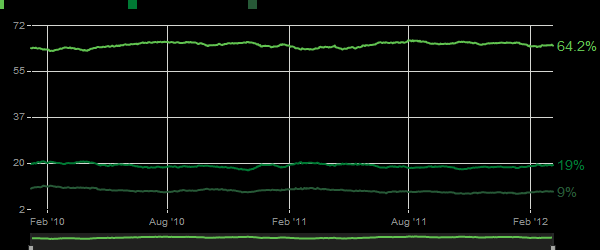


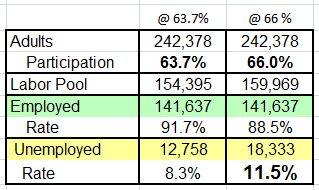

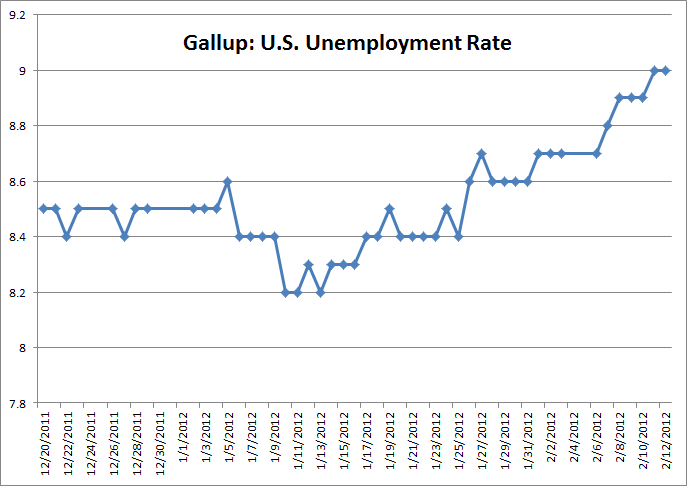
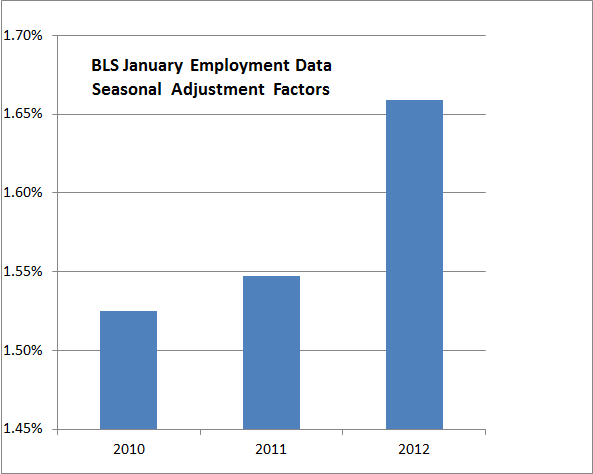
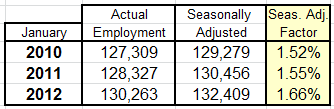
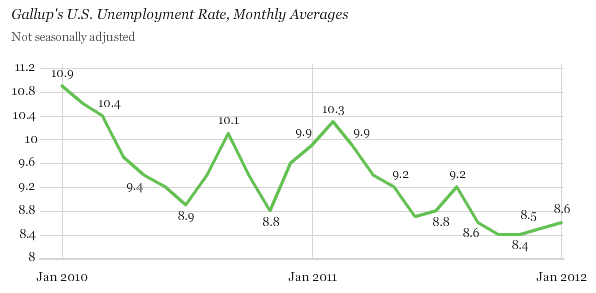
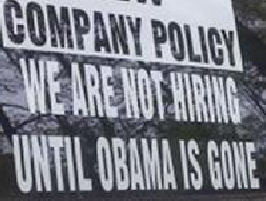

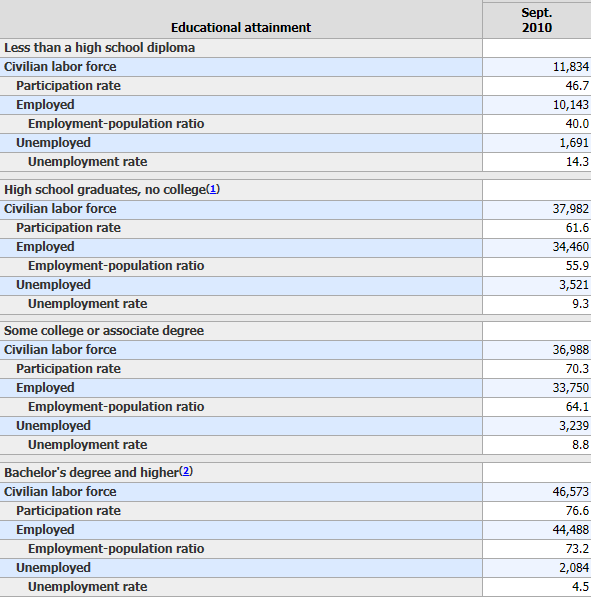


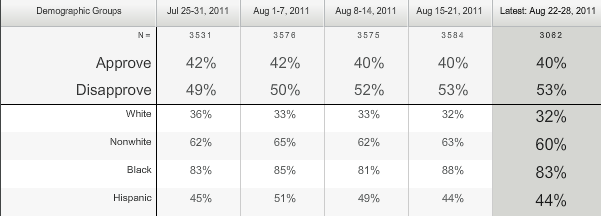
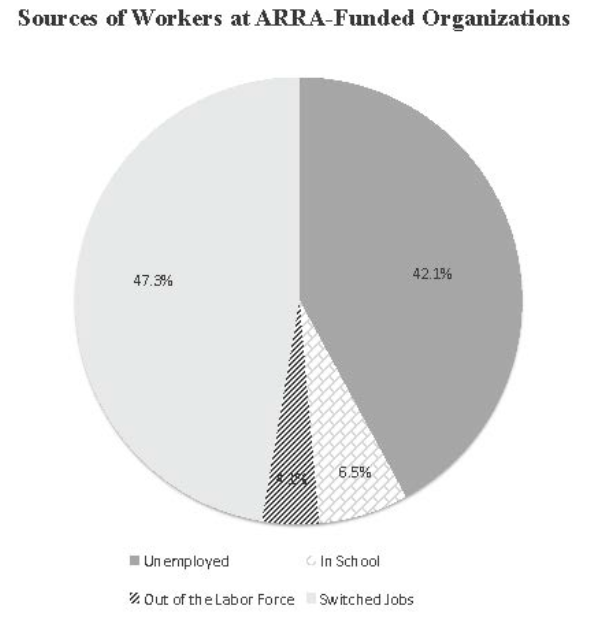
![large[1]](https://homafiles.info/wp-content/uploads/2011/08/large1.png "large[1]")
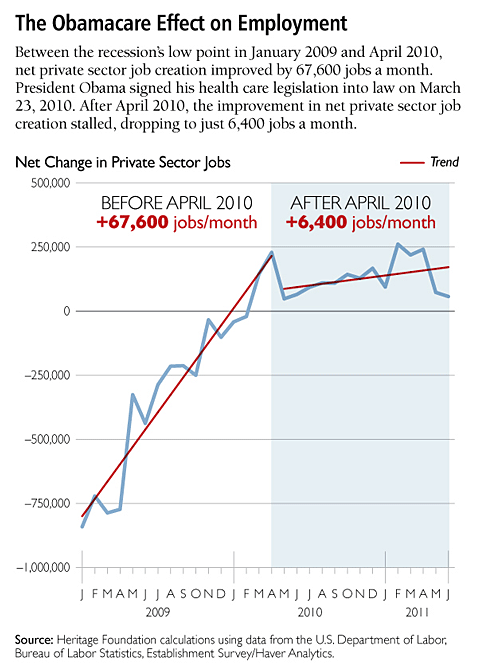
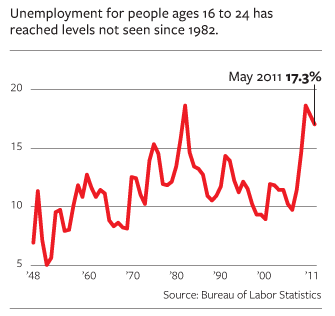


 The Homa Files