Archive for the ‘MARKETING’ Category

Gotcha: You probably paid too much … especially if you’re bad at math.

February 6, 2013

Awhile ago, we reported a study that consumers almost invariably pick 33% more stuff than a 33% price discount.

Ouch.

Consumers are notoriously bad at spotting real values. Why?

 image

According to the Atlantic ….

  • First: Consumers don’t know what the heck anything should cost, so we rely on parts of our brains that aren’t strictly quantitative.
  • Second: Although humans spend in numbered dollars, we make decisions based on clues and half-thinking that amount to innumeracy.

More specifically, here are some more ways consumers end up paying too much …

(more…)

No lights, no problem: Dunk (and tweet) in the dark

February 5, 2013

Oreo’s quick thinking during the infamous Super Bowl blackout generated a spontaneous twitter ad that caught the attention of millions. 

 Screen_shot_2013-02-03_at_10_29_53_PM

Anyone watching the Super Bowl this evening saw a great game — and one of the greatest embarrassments in pro sports history: a power outage that halted play for a full half-hour.

As both teams, tens of thousands inside New Orleans’ Superdome and millions watching on TV waited, Oreo came up with an idea so brilliant and bold that it out and out won the night.

(more…)

Gotcha: The menu is playing with your mind … it’s a profit scheme.

February 4, 2013

In his book, Priceless: The Myth of Fair Value (and How to Take Advantage of It), author William Poundstone dissects the marketing tricks built into menus—for example, how something as simple as typography can drive you toward or away from that $39 steak.

image

Here are some on the profit-enhancing menu tricks to watch for …

(more…)

JCP: deals or no deals?

January 31, 2013

Answer: deals.

Earlier this week we posted that JCP CEO Ron Johnson insisted at an investor conference that Penney’s “marketing is really starting to connect” with customers … and that in 2013, Penney will become “a happening place.”

That was 2 days ago.  Then yesterday …

image

According to USA Today: CEO Ron Johnson announced a strategic evolution to its plan to offer everyday low prices that customers could count on rather than the nearly 600 fleeting discounts, coupons and sales events each year.

What sort of “strategic evolution”?

(more…)

Buzz: Which brand generates the most?

January 28, 2013

According to the YouGov Brand Index annual survey, the winner is …

image

YouGov BrandIndex’s Buzz score asks respondents:  “Have you heard anything about the brand in the last two weeks, through advertising, news or word of mouth?”

That’s a pretty wide net – can be positive or negative – but, it is certainly a measure of “buzz”.

Here are the rest of the Top 25 … many surprises …

(more…)

Prices: How much for a bottle of Two-Buck Chuck?

January 25, 2013

In California, Two-Buck Chuck has been upchucked … from $1.99 to $2.49.

Is nothing sacred?

image

* * * * *
Here’s what’s behind the end-of-an-era pricing move …

(more…)

Marketing ROI: What you get for $300 million … and for $10.

January 24, 2013

According to George Parker of  AdScam ….

At a conference a couple of years ago. GE and their agency, BBDO, made a presentation of their new “Imagination” campaign.

After showing some nice TV spots and explaining that they’d spent $300 million on media over the last year, they proudly declared that brand awareness had increased substantially.

This generated polite applause.

image

Next up was the Marketing Director of blender manufacturer Blendtec who proceeded to blend:

  • a brick
  • some ball bearings
  • an 8 ft garden rake
  • a Blackberry donated by a member of the audience

He then put up a single slide showing that every time they posted a self-produced, ten dollar video on YouTube in their long-running “Will It Blend” campaign (which to-date has had more than 220 million views,) sales went up by an accurately measurable percentage.

Understandably, the crowd went nuts.  

The point being, GE spent hundreds of millions and couldn’t quantify with any certainty what they had achieved for all that money.

Blendtec spent pennies and achieved consistently significant and measurable results.

Below are links to a couple of the Blendtec videos …  worth watching.

(more…)

Gotcha: Using your own genes against you …

January 23, 2013

 NPR says …

“Getting the results of a genetic test can be a bit like opening Pandora’s box … you might learn that you’re likely to develop an incurable disease later on in life.”

There’s a federal law that’s supposed to protect people from having their own genes used against them, the Genetic Information Nondiscrimination Act, or GINA.

Under GINA, it’s illegal for health insurers to raise rates or to deny coverage because of someone’s genetic code.

image

But the law has a loophole: It only applies to health insurance.

Some insurance can be denied or priced high because of a person’s DNA.

Here’s an example … and a prediction.

(more…)

Gotcha: How long is a Subway footlong?

January 22, 2013

Forget Nenghazi … here’s a scandal for you.

According to the UK Telegraph

An Australian teenager measured his Subway “foot-long” sub and find it was an inch short.

image

The picture-is-worth-a-thousand words is buzzing the internet.

Subway’s  corporate responses (two of them) are classics …

(more…)

Axe: Wanna be a chick-magnet-astronaut ?

January 21, 2013

Punch line: Taking a page from Red Bull’s book, Axe launches a ‘Space Academy’ campaign, with a contest that sends winners on a space ship to the moon.

* * * * *

Excerpted from brandchannel.com’s, “Super Bowl Ad Watch: Axe Challenges Red Bull With Space Mission”

Axe has made its reputation with edgy advertising that makes no bones about why it believes young men should use it — to attract women to them as if they’re sexually magnetized.

BLOG

Now, the Unilever brand is pushing the envelope just a bit more in two ways: …

(more…)

Ouch: Dreamliners grounded … lithium battery concerns.

January 17, 2013

According to Reuters

The FAA has grounded Boeing’s 787 Dreamliner passenger jets while battery-related problems are investigated.

The plane has been plagued by recent electrical problems – raising concerns over its use of lithium-ion batteries.

Engineers and regulators are making checks – primarily to the plane’s batteries and complex electronics systems.

image

Here’s my take on the situation ….

(more…)

Gotcha: Your willingness-to-pay is showing …

January 17, 2013

Punch line: Major retailers are customizing online prices for each user, using users’ information (such as location) to determine different prices for identical items. The goal”higher price realization and higher profits.

* * * * *
Excerpted from WSJ’s, “Websites Vary Prices, Deals Based On Users’ Information”

BLOG

It was the same Swingline stapler, on the same Staples.com website.

But for Kim Wamble, the price was $15.79, while the price on Trude Frizzell’s screen, just a few miles away, was $14.29. 

(more…)

For Sale: Treadmill … Coke says to laugh off the calories …

January 16, 2013

Punch line: Coca-Cola is defending itself with a new TV Campaign that  focuses on the health benefits of Coca-Cola’s products. 

Say, what?

* * * * *
Excerpted from brandchannel.com’s, “Coca-Cola Addresses Obesity Critics With U.S. TV Campaign”

The Coca-Cola Company on Monday evening began airing a two-minute spot on U.S. cable news networks.

The subject, in a first for the company: America’s obesity debate, in a bid to defend its brands ahead of looming beverage size controls.

Coca-Cola Coming Together Video

The world’s biggest beverage company debuted the “Coming Together” commercial in hopes of flexing its marketing muscle in the debate over sodas and their impact on public health.

The theme ties into the company’s “Live Positively” and “Open Happiness” campaigns.

Another ad, which will run later this week during American Idol and before the Super Bowl, is much more reminiscent of the catchy, upbeat advertising people have come to expect from Coca-Cola.

It features a montage of activities that add up to burning off the ‘140 happy calories’ in a can of Coke: walking a dog, dancing, sharing a laugh with friends and doing a victory dance after bowling a strike.

The ads are intended to address “confusion” about the number of calories in soda.

Hmm.

Think “sharing a laugh with friends” can really burn off 140 calories?

Beats the old treadmill, for sure.

Edit by BJP

* * * * *
Follow on Twitter @KenHoma            >> Latest Posts

Innovation: Gimme a bag of soup …

January 15, 2013

Excerpted from “Kicking The Can: Campbell’s CEO Bets On Soup-In-A-Bag For 20-Somethings”

Denise Morrison, Campbell’s new CEO, is determined to shake things up.

She was hired to stabilize the soup and simple meals businesses, expand internationally, grow faster in healthy beverages and baked snacks.

Dubbed “the savior of soup”, she’s driven Campbell’s innovators to launch more than 50 new products in her 1st year.

For example, Campbell’s launched Go Soups, a six-flavor line in plastic pouches meant to convey freshness while capturing millennials’ adventurous tastes.

campbells soup in a bag

Ken’s Take:

(more…)

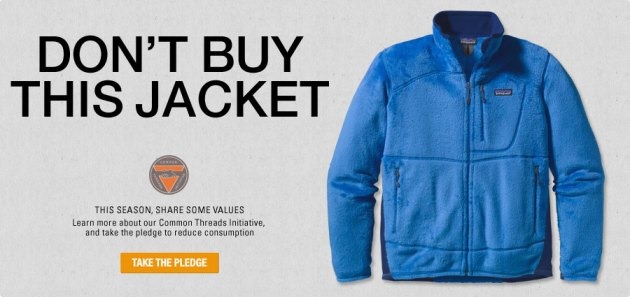
Patagonia: “Don’t buy our stuff” … say, what?

January 14, 2013

Punch line: Cloaked in green, Patagonia’s proposition — that you not buy its clothes — is resulting in some of its best sales ever.

* * * * *

Excerpted from Fast Company’s, “How Patagonia Makes More Money By Trying To Make Less”

patagonia

Instead of blasting sales prices and urging consumers to load up their virtual shopping carts, Patagonia encourages consumers to buy less.

(more…)

Price War: Targeting online retailers

January 11, 2013

Target is sick & tiered of being “showroomed”.

image

According to USA Today

(more…)

Promo: Is that burger grease on your book?

January 10, 2013

Here’s a promotion that’s likely to cause some commotion.

click pic to view video
image

* * * * *
The Telegraph reports that McDonald’s is about to become UK’s largest book distributor.

Say, what?

Yep.

Here are the details …

(more…)

Gotcha: Now, even Southwest is charging for “luv”

January 4, 2013

I used to be a big Southwest fan.

image

I used to perversely enjoy watching the clock tick so I could get in the “A” boarding group by hitting the enter button exactly 24 hours before flight time.

Then the jabrones at SWA  took the fun out of the process by letting online slackers buy their way into the A group for 10 bucks … an “early bird” check-in.

Worse still, when my friends would flaunt their AMEX black cards, I’d charge everything to my SWA-Visa … earning a free flight for only a gazillion “flight legs”.

Then, the SWA  jabrones changed their credit card program … making it less lucrative and way more confusing.

(more…)

Branding: New logos ditch the past.

January 2, 2013

Several companies launched new logos in 2012.

There were a couple of themes to the changes.

Some – like JC Penney — were trying to disconnect from their devolving legacies and present a new “fair & square” image.

image

* * * * *
Other brands changed logos for apparently different reasons …

(more…)

Gotcha: Hosed by “dynamic pricing”

December 26, 2012

In a prior post My computer’s algorithms tell me that you’re willing to pay higher prices we reported that online retailers were using software that helps them detect shoppers who can afford to pay more or are in a hurry to buy … and, present pricier options to them or simply charge more for the same stuff.

image

For example:

Cookies stored in shoppers’ web browsers may reveal where else they have been looking, giving some clues as to their income bracket and price-sensitivity.

A shopper’s internet address may be linked to his physical address, letting sellers offer, say, one price for well-to-do zips, another for low income zones.

“Price customization” software can collate such clues with profiles of individual shoppers that internet sellers buy from online-data-aggregation firms … All fairly cheaply.

For example, Orbitz detects whether people browsing its site are using an Apple Mac or a Windows PC and recommends pricier hotels to Mac users.

Some online firms charge people different rates for the same products … for instance, by charging full price for those assumed to be willing and able to pay it, while offering promotional prices to the rest.

Allocating discounts with price-customization software typically brings in two to four times as much money as offering the same discounts at random,

One way to do this is to monitor how quickly shoppers click through towards the online seller’s payment page: those who already seem set on buying need not be tempted with a special offer.

Similarly, companies are beginning to scan Twitter for info on the shoppers since their tweets give useful hints about whether a discount is needed to clinch the sale.

Well, a WSJ investigation revealed that the online pricing tricksters are getting even trickier …

(more…)

Will boomers make the economy go bust?

December 11, 2012

Conventional wisdom: increasing proportion of old folks will be a drag on the consumer economy.

People in their 50s spend more than younger – or older folks … by a lot.

The economic implications are monumental.

image

Here’s the logic from Bill Gross at PIMCO:

(more…)

Price points: A McDouble for a buck … shoulda asked me.

December 11, 2012

In October, McDonald’s posted its first monthly drop in nine years.

The company immediately replaced the president of its U.S. business.

The new president “ramped up McDonald’s value messaging, focusing heavily on the Dollar Menu to help drive traffic”.

The company again renewed emphasis on low-priced menu options, such as $1 Sausage McMuffins and coffee.

image

The result?

McDonald’s sales sales bounced back in November.

Surprise, surprise, surprise…

Source

* * * * *
Follow on Twitter @KenHoma                         >> Latest Posts

High frequency: You’re the asset being traded …

December 7, 2012

Punch line: In milliseconds, advertisements are being served based on your browsing habits.

Behind the every one of these ad placement opportunities is a sophisticated tracking system that allows access to the highest bidder.

* * * * *
Excerpted from New York Times’ “Your Online Attention, Bought in an Instant”

ad-impression - image from The Gaurdian

The odds are that access to you — or at least the online you — is being bought and sold in less than the blink of an eye.

How it works …

(more…)

Has Starbucks cracked the code in China?

December 6, 2012

Punch line: Many Western retailers have attempted to cash in on China’s 1.3 billion consumers, with limited success.  Starbucks’s plan to localize the menu and experience might be the key to success.

* * * * *
Excerpted from brandchannel.com’s, “Starbucks Incorporates Local Tastes with China Expansion”

Western retailers have been completely bombarding China with products and sales pitches in recent years.

Having more than 1.3 billion consumers living within its borders can make a country’s citizens targets of such things.

Starbucks is about to go overdrive in its efforts to get the Chinese populace as dependent on their brand as plenty of Americans are, but the sell may not be so coffee-driven, but leverage the brand’s tea drinks and food menu.

China is still a tea-drinking nation.

So Starbucks established a research-and-development unit in the country in order to figure out what it could do to attract a larger audience than those looking for a cup of joe.

Starbucks China is serving up localized beverage and food items including a red bean frappaccino, green tea tiramisu, a Hainan chicken and rice wrap, a shredded ginger pork panini, and a Thai-style prawn wrap.

image.axd

Here are some other winners & losers in the Chinese market.

(more…)

Who told the Donald that he’s fired?

December 5, 2012

Answer: Nobody yet, but some Macy’s customers think that it would be a good idea

Facing a petition from consumers to ‘dump’ Donald Trump as a spokesperson, Macy’s claims that marketing and politics have nothing to do with each other, despite using some of Trump’s famous political comments as inspiration in the company’s new campaign.

142951759SV008_Success_By_T

* * * * *
Excerpted from Adage’s, ‘”Macy’s Unmoved by Dump Trump Petition”

As a petition encouraging Macy’s to “Dump Donald Trump” continues to gain steam, with nearly 558,000 signatures, the retailer shows no sign of dropping the outspoken tycoon.

Here’s Macy’s thinking: 

(more…)

What did Black Friday teach us this year ?

November 30, 2012

Punch line: A record number of shoppers spent Black Friday weekend shopping for deals, revealing new consumer trends present this holiday shopping season.

* * * * *
Excerpted from Adage.com’s, “Four Things Holiday-Shopping Kickoff Tell Us About the Economy, Consumer Habits”

walmart-blackfriday113009

A record 247 million shoppers visited stores and websites over Black Friday weekend, up from 226 million last year. The average shopper spent $423 this weekend, up from $398 last year, helping total spending reach an estimated $59.1 billion.

Here arefour things we’ve learned from the holiday-shopping kickoff:
(more…)

Why do fancy hotels charge so much for Wi-Fi?

November 27, 2012

Answer: Because they can …

image

= = = = =
Excerpted from Business Week

Think about it: You can get free Wi-Fi at a McDonald’s or at a city park, but check into some 4 & 5 star hotels and they’ll charge you as much as $15 peer day to check your email or update Twitter.

Q: Why isn’t Wi-Fi free at fancier places? Aren’t you supposed to get better service for paying more?

(more…)

HITS: Earn higher profits by pushing the “The Latitude of Price Acceptance”

November 26, 2012

HITS: HomaFiles Ideas To Share

Punch line: Relatively small increases in price can generate large increases in profitability … that’s called price-profit leverage.  And, relatively small increases in prices are low hanging fruit for practically all products and companies since consumers have “zones of price indifference” or, in other words, a “latitude of price acceptance”.

* * * * *
Price-profit Leverage

According to McKinsey Increases in price typically have 2 to 4 times the effect on profitability as proportionate increases in volume.

More specifically, given the cost structure typical of large corporations, a 1% boost in price realization yields a 5% to 15% net income gain.

image

* * * * *
Latitude of Price Acceptance

Customers have a latitude of price acceptance —  a range of possible prices within which price changes have little or no impact on their purchase decisions.

Customers frame their LPAs from the price range that they observe, say, in-store vs. online, or regular vs. sale prices.

LPAs vary for different categories of products that customers buy.

A McKinsey & Co. study shows that LPAs can range widely: from 17% for branded consumer health and beauty products to 10% for engineered industrial components and apparel to only 2% for some financial products.

The 2% for financial products may seem paltry, but the McKinsey study indicates that a financial services company moving from the middle to the top of a 2% LPA band for personal loan products would generate an 11% increase in operating profits for those products.

Source

* * * * *
Buyer behavior & LPAs

Scanner panel data analyses for sweetened and unsweetened drink      categories support the presence of a region of price insensitivity      around a reference price.

  • Consumers with higher average reference price have a wider latitude of price acceptance.
  • Consumers with a higher frequency of purchase (i.e., shorter average interpurchase time interval) have a narrower latitude of price acceptance, because they are more aware of the range of price distributions.
  • Consumers with a higher average brand loyalty have a wider latitude of price acceptance, demonstrating greater tolerance of price fluctuations.

* * * * *
Takeaway: Know the LPA … then go for it … don’t leave easy $$$ on the table.

Source

>> Latest Posts

T’Day Flashback: Ken tells WaPo “Get to the pocketbook first.”

November 22, 2012

Last year, I was interviewed by the Wash Post re: retailers moving to Thanksgiving evening openings in advance of Black Friday.

I served up some ivory tower stuff about budget effects, shopping days’ effects, etc.

Here are my full talking points and what made the cut …

image

Black Friday 2011: Holiday shoppers hit stores, with a Thanksgiving head start

Last year, Toys R Us became one of the first big-box chains to launch its Black Friday specials at 10 p.m. Thursday. This year, Wal-Mart matched the move.

So Toys R Us opened its doors even earlier, at 9 p.m.

“This is just the beginning,” said Ken Homa, professor of marketing at Georgetown University’s McDonough School of Business. “Next year, we’re likely to see everybody doing this. . . . The guys with the first opportunity to get to somebody’s pocketbook are likely to take share away from their competitors.”

Accurately quoted and, if I must say so myself, captures the essence of my message … and my style.

Probably a bit nostalgic for my former students …

* * * * *

Follow on Twitter @KenHoma

Filling movie theater seats … at a discount, of course.

November 21, 2012

DealFlicks.com offers movie goers lower prices for to fill seats that would otherwise go unused.

image

Similar to the old Priceline hotel model, users select their neighborhood, movie and showing time, and once they’ve paid, the location of the theater is revealed.

Discounts range between an average of 40 and 60 percent off typical ticket prices.

Users can also take advantage of Super Deals – offering the greatest discounts – when they enter two possible screening times and allow DealFlicks to choose which one they see.

Fexible consumers benefit with large discounts.

Theaters benefit by selling more seats (and popcorn).

Source

Thanks to MC for feed the lead.
* * * * *
Follow on Twitter @KenHoma

PVP: Cable company pricing strategies (yes, there’s method to the madness)

November 20, 2012

Punch line: Cable pricing strategies appear to be a mystery to most, but Comcast confirms the company, does in fact, have a strategy for those wacky prices.

* * * * *
Excerpted from WSJ’s, “Cord-Cutting: Cable’s Offer You Can’t Refuse”

1114_trump_630x420

When Georgia-based medical student Cathy Vu called Comcast last month to cancel her TV service and keep just Internet, she got a shock.

Taking the Internet alone would cost her more, not less, a month.

Cable providers are making their Internet-only plans less attractive than their cable and Internet packages.

Unbundling often doesn’t pay*

  • Comcast: TV + Internet for about $50/month for the first 6 months vs. standalone samespeed Internet for about $70/month.
  • Verizon FiOS: TV + Internet for about $85/month (two-year contract) vs. standalone Internet for about $80/month.
  • Time Warner Cable: TV + Internet for about $50/month for 12 months vs. standalone Internet for about $45/month for 12 months.

People are pretty much forced into buying both services.  Comcast confirms the pricing strategy, saying it is more valuable for the cable operator to pursue customers who will take multiple services than “single play” customers.

Several pay-TV executives say that cord-cutting is still a small trend that has largely stemmed from weak economic conditions.

But one little-discussed factor is cable operators’ pricing policies, which can prompt people to keep TV even if they don’t particularly want it.

In addition, Comcast, Time Warner Cable and Verizon said that a customer who takes multiple services is more likely to stick with the cable company and add more products later on.

“The deeper the discount, the higher the churn” at the end of the promotional period, one cable executive said.

Edit by BJP

* * * * *
Follow on Twitter @KenHoma

Twinkies are dead … long live Twinkies.

November 16, 2012

Hot off the WSJ wires …

image

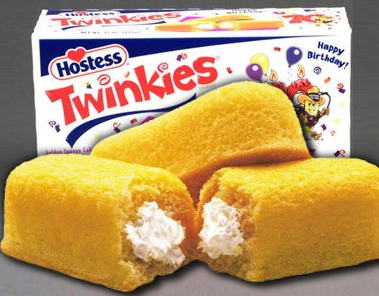
Hostess Brands, the maker of iconic treats such as Twinkies and traditional pantry staple Wonder Bread, is shuttering its plants and liquidating its 82-year-old business.

A victim of changing consumer tastes, high commodity costs and, most importantly, strained labor relations, Hostess ultimately was brought to its knees by a national strike orchestrated by its second-largest union …  the Bakery, Confectionery, Tobacco Workers and Grain Millers Union.

The company will “promptly” lay off most of its 18,500 employees and focus on “selling its assets to the highest bidders.”

Hostess’s remaining inventory — loaves of bread and plastic packages of cream-filled desserts — probably will be sold in bulk to a discounter or big-box store.

The company will attempt to sell its plants and its brands – think Twinkies, Ding-Dongs.

The names have decades of “deliciously retro” brand equity, and there is “pretty significant demand” for the products.

A fresh owner of the intellectual property, which includes everything from names to recipes to graphics, could revitalize the Hostess brands  with new flavors, limited-edition Twinkies, co-branded products, and  international reach.

* * * * *

Papa asks: “Want a Taylor Swift CD with your pizza?”

November 16, 2012

Punch line: With internet piracy and digital song-sharing sites like Spotify, selling records is increasingly difficult.

Taylor Swift uses retail partners, traditional media and broad audience targeting to top the charts once again.

* * * * *
Excerpted from WSJ’s, “Taylor Swift Album Fast Out Of Gate”

Taylor Swift’s “Red,”  is on track to sell more than one million copies in its first week in U.S. stores.

The album is expected to set new one-week sales records on Apple’s iTunes Store.

Target — one of Ms. Swift’s corporate sponsors—sold more than 400,000 copies, also a one-week record for the chain.

Breaking the one-million-unit mark today takes more ingenuity than it did in 2000, the year the CD-sales boom peaked.

The pace of million-sellers has slackened along with broader music sales, which have fallen by nearly 42% in the past 12 years.

Sales have been hurt by Internet piracy and a variety of other factors.

As online access replaces ownership, million-selling debuts could become a thing of the past.

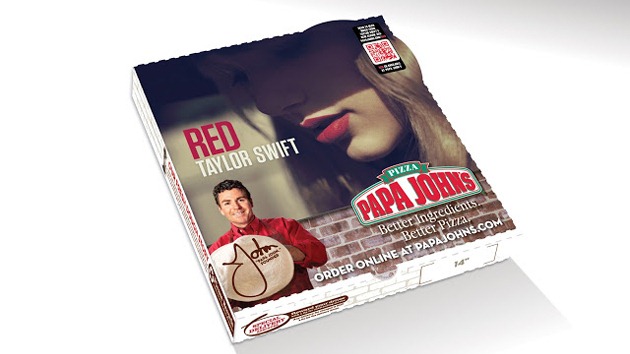
Ms. Swift’s latest ascent into the stratosphere has been aided by several corporate partners, including Papa John’s Pizza which has been delivering to customers Ms. Swift’s “Red” CD along with a single-topping large pizza for a total of $22.

Her photo also appears on Papa John’s pizza boxes.

M_TaylorSwiftPapaJohnsPizza630_101212

Many of Walgreen’s 8,000 locations have displayed the disc prominently, along with free-standing, life-size cardboard images of the 22-year-old pop star that fans have used for photo opportunities.

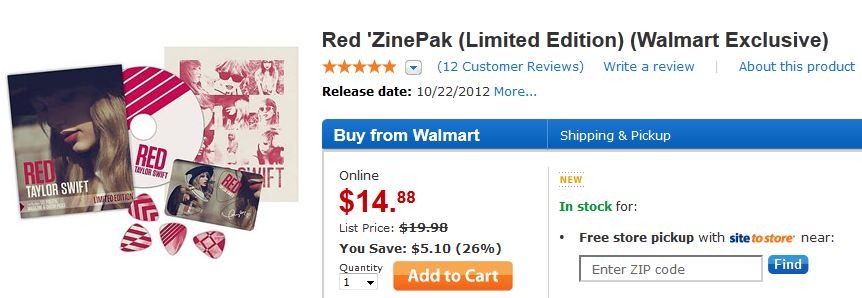
Wal-Mart offers a limited edition Red ‘Zine Pack.

Capture

The album has also been powered largely by more traditional means.

Since announcing the album in August, Big Machine has released four singles and played 30-second previews of each song the day before the singles went on sale on iTunes.

Potentially boosting Ms. Swift’s sales, Big Machine isn’t making her album available through online streaming services such as Spotify for at least several months.

Many artists and labels have complained that they make little from such services, which let users listen to unlimited amounts of music for a flat monthly price, or even free.

Though Ms. Swift is nominally a country artist, her music has taken on an increasingly pop sound, a key to attracting more buyers.

You don’t get a number like she did without attracting a number of tribes.

It’s the niche-ing of America.

Edit by BJP

Yves Saint Laurent ditching classic logo … get ‘em while they last.

November 15, 2012

Punch line: YSL’s classic logo may soon be extinct, and customers are snapping it up while they can.

Industry experts speculate that this move will actually increase the value of the classic logo and create a vintage label for the brand.

* * * * *
Excerpted from Business Week’s, “What Is The Deal With Yves Saint Laurent’s Logo?”

This week, thousands of shoppers braved rain and crowds for the annual Yves Saint Laurent sample sale.

Unlike in years past, this crowd was extra-jittery.

Since new creative director Hedi Slimane relabeled the brand “Saint Laurent Paris,” many of the fashion faithful have been worried that the company’s classic “YSL” logo will be replaced.

So shoppers are racing to snatch it up while they can.

7640112904_0356e6a0ae_z

If the old logo is indeed an endangered species, does this mean that items bearing it will go up in value?

According to the Luxury Institute, the answer is affirmative.

“YSL is making the change in a surgical way,”. They will reinterpret the classics. So yes, the classics will sell for more with a certain group of people.

The brand’s renewal, announced this summer to some disappointment among consumers, has been hard to pinpoint:

The company told reporters that the fashion house is called “Yves Saint Laurent,” the ready-to-wear collection “Saint Laurent,” and the logo “Saint Laurent Paris.”

PPR Luxury Group (which owns the brand) is very customer-centric and is working to modernize the YSL brand and improve the in-store experience.

Still, “If you run away from your classic product or reinterpret your classics … too far away from the DNA of the brand, you will fail. Period.”

While luxury brands might try to appeal to younger consumers, “even younger consumers mature into wanting the classics of that luxury brand.”

Perhaps this is why Yves Saint Laurent hasn’t completely abandoned its old signature.

“The YSL logo, created by Cassandre in 1961, will remain intact,” though  it has not yet been determined how it will be used in the future.

Edit by BJP

Old Spice keeps it weird …

November 15, 2012

Punch line: The agency that made Old Spice famous online is keeping it weird in their search for a new social strategist to work on the brand.

Throwing traditional job interviews out the window, Wieden + Kennedy is asking applicants to compete in weird digital challenges, then create a deck outlining the strategy used to complete them.

* * * * *
Excerpted from Adweek.com’s, “Wieden + Kennedy Seeks Help on Old Spice in Crazy, Epic Job Listing.”

old_spice_fiji_top

 Wieden + Kennedy’s Old Spice campaign is a hallmark for epic weirdness in advertising.

So, it stands to reason that you’d have to complete some kind of weird, epic quest to join the agency’s Old Spice.

Now, we know the exact parameters of that question.

W+K posted a help-wanted ad on its website seeking a social strategist on the Old Spice account.

Beginning today, the posting says, applicants will have a week to complete “one or more of the challenges listed below” and then create a “case study presentation deck outlining what you did and why it was effective.”

Here are the challenges:

  1. Create the best original Pinterest board dedicated to the sport of inline speed skating
  2. Create and post an original piece of content to Reddit that then receives the most upvotes in a single week
  3. Create and upload to SlideShare an original, in-depth competitive analysis of the Ed Hardy social media ecosystem
  4. Get the most people to friend your mother or your father on Facebook in a single week
  5. Create an original Twitter account and then use it to get the most followers in a week using any verbs you like, but only the following nouns: “BLUEFUDGE,” “HAMMERPANTS” and “GREEK YOGURT.”
  6. Create an original YouTube video that then receives the most plays in a single week using this script verbatim:
    #1: “Wait. What are you doing?”
    #2: “Trust me. This will be fine.”
    #1: “Ok. Go ahead.”
  7. Get recommendations on LinkedIn from at least three other people trying to get this job
  8. Create the most reviewed recipe on allrecipes.com in a single week using cottage cheese as an ingredient
  9. Upload the most pictures of your armpit(s) to Instagram during the course of this challenge. The pictures must have your face in them to verify your identity and include the hashtag #mypits
  10. Using Quora, give thought-out, meaningful answers to as many dream catcher-related questions as possible in a single week

As W+K says in the note: “Good luck, cyber warriors.”

Edit by BJP

A pink car that prevents women’s wrinkles … really?

November 14, 2012

Punch line: Honda releases a new car targeted at Japanese women, boasting features that will prevent wrinkles.

* * * * *
Excerpted from psfk.com’s, “Honda’s Car For Women Prevents Wrinkles”

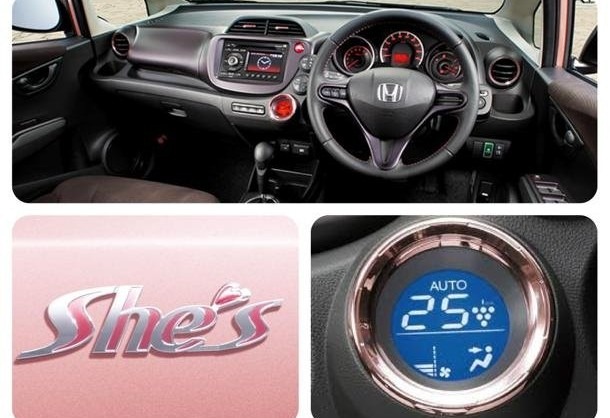
Honda released a new model designed especially for women, the Honda Fit ‘She’s.’

Available only in Japan, the make targets the nearly 50% of Japanese women who have decided to stay out of the work force.

The car sports a pink exterior, pink stitching on the interior, and shiny pink chrome covers on the dashboard. They have even put a heart in place of the apostrophe in “She’s” to bring the point home.

Honda-Fit-Shes-2-610x418

The first “designed for women” automobile since 1955′s Dodge  La Femme goes beyond a superficial color treatment.

With a new type of windshield said to block up to 99% of UV rays, women can drive to the grocery store confident that they are not increasing their chances of wrinkles.

With the model’s “Plasmacluster” AC system, women can pick up their children knowing that the specially-treated air is improving their skin quality as they drive.

Whether the claims are substantiated or not, the model will be sure to provoke conversation around the age-old question, “What do women want?” and open more than one can of worms for the Japanese automaker.

Edit by BJP

Macy’s targeting millennials … pssst: so is everybody else.

November 12, 2012

Punch line: Macy’s is launching 13 new brands and expanding 10 other existing labels that it believes will resonate with shoppers in the 13-to-30 age group.

* * * * *

Excerpted from The Washington Post’s, “Macy’s launches new brand strategy to cater to millennials, the 13-to-30 age group”

style-a-music-video-macys-m-style-lab-pics

Macy’s new fashion offerings, which are being rolled out this fall and next spring, represent the first phase of the retailer’s intensive campaign to attract the highly sought-after … but challenging bunch. The tech-savvy group likes to spend and it likes brands, but shops differently.

In March, Macy’s restructured its merchandise team to focus on those shoppers and plans to make other major changes in the next three years to further rope them in. Those range from infusing tablets and other technology into the shopping experience to changing displays more frequently.

Boston Consulting Group released a study earlier this year based on a survey of about 4,000 millennials.

The research showed millennials trust their Facebook friends more than corporate ads or experts, and tend to favor spending at specialty stores, discount stores, online or outlet stores.

And they put a premium on speed and convenience.

Christine Barton, a partner at the Boston Consulting Group, says the department stores have a big opportunity to grab this customer, but they need to “refreshen their franchise.”

Edit by JDC

>> Latest Posts

General Mills’ Monster Cereals’ limited availability creates continued demand

November 8, 2012

Punch line: General Mills’ Monster Cereals create a buzz for fans with limited availability.

Die hard fans of Boo Berry, Count Chocula and Franken Berry will go to great lengths to purchase the 1970’s classics, and resellers have capitalized on this, selling the boxes for 3X the price on ebay.

* * * * *
Excerpted from the WSJ’s, “Boo Berry is Big at Halloween with Kids, Hoarders and Resellers”

October is the coolest month for Roger Barr. For a few happy weeks, grocery stores stock the object of his desire: Boo Berry.

monster_cereals

That is the berry-flavored cereal that turns milk bluish, delighting generations of American kids—and some adults, too.

The problem is that you can’t eat as much Boo Berry as you might  like.

Not long after Halloween, Boo Berry disappears from stores like an apparition.

The same affliction haunts lovers of Count Chocula and Franken Berry, the other two cereals General Mills produces for the Halloween season.

At first, the three surviving cereals were year-round familiars.

But the cereal maker cut distribution to the period from September to around Halloween in 2010.

General Mills wanted to focus on the pre-Halloween weeks to best capture the holiday excitement and enthusiasm for the products.

he company doesn’t release sales figures and won’t say whether the cereals were selling poorly the rest of the year.

One of the most amazing things about the monster cereals is the passion of the people.

Carol Shelley Thomas, a 45-year-old medical-billing specialist, for the past several years has bought 14 boxes of Franken Berry in October, enough to last until the following Halloween when more of the neon-pink cereal again appears in stores.

A quest for Count Chocula will lead Ron Macedo, a 41-year-old Toronto food distributor, across the border this month to Buffalo, N.Y., in order to buy at least 10 boxes of Chocula for himself and at least 20 boxes of Boo and Franken Berry for friends—to take back to Canada, where General Mills doesn’t market the stuff.

Many fans would love the cereals to be less elusive, but General Mills has no plans to make the three cereals available year-round.

But those who run out can turn to people like Josh Rhodes, who on eBay charges $7 per box from buyers.  Last year, he says, he sold about 300 boxes and expects to sell about 350 this year.  “Sure, I get some funny looks at the register,” says the 35-year-old Orchard Park, N.Y., resident, who buys about 40 boxes at a time for about $2 each.  “It’s worth it,” he says.

“People are willing to pay an arm and a leg for this stuff.”

Edit by BJP

Make ‘you’ your favorite brand …

October 29, 2012

Punch line: In today’s competitive job market, professionals must create a personal brand to stand out in the crown.  Using the traditional 4 P’s as a framework can help you develop a killer personal brand.

* * * * *
Excerpted from mashable.com’s, “How to Create a Killer Personal Branding Campaign”

Call it self-marketing, personal branding, professional development, or any other buzzword you’d like. In any case, both finding a job and climbing the career ladder are all about investing in the business of you.

personal-branding

As a professional, you are a brand unto yourself.

The target market for the unique value you provide are employers who are constantly bombarded with messages from your competitors and always on the lookout for innovation.

Though the boundaries of traditional marketing no longer exist due to online media and new digital technologies, its core tactics can be reworked to guide your self-marketing strategy online.

  • Product: Be Consistent and Recognizable.  You must determine who you are as a professional and build a personal brand around your core strengths, skills and experience. What do you bring to the table that others in your industry do not?
  • Price: Know Your Value.  In addition to accounting for the value you add to an organization, you must decide what you are worth and what your bottom line is.
  • Place: Recognize Your Niche.  As a professional, you are only one person. Thus, it’s critical that you select a sphere of influence and stick with it, though it could be based on industry or knowledge base as much as geography.
  • Promotion: Communicate Your Brand.  How will you communicate your messages to the market you’ve targeted? Selecting the appropriate mediums means the difference between being heard loud and clear or getting lost in the clutter.

Whether you’re looking for a job or desire to be considered an expert in your industry, you can meet your objectives by building a brand around yourself — effectively leaving a memorable first impression and making people want to learn more about you.

Edit by BJP

>> Latest Posts

Red Bull: Getting high from Felix’s 24-mile freefall from space …

October 28, 2012

Punch line: While it is too early to quantify the impact of Red Bull’s recent Stratos mission, that isn’t stopping valuations as high as $8 billion.

* * * * *
Excerpted from brandchannel, “Now Red Bull Has Conquered Space, Can Brand Escape Tang’s Fate?”

Red-Bull

Pretty much the entire planet now knows the name Felix Baumgartner, thanks to the 43-year-old Austrian skydiver’s record-breaking supersonic freefall, 24 miles out of the sky.

His main benefactor since 1988, Red Bull, deserves to milk the historic feat for all its worth for some time.

The … big question — besides “Is he single?” (no) and “What’s his next daredevil stunt?” (none) — is what all the publicity, social media buzz and press does for the value of the Red Bull brand, and how much all the brand awareness generated by the stunt will goose global sales.

While it’s too early to tell the impact on Red Bull’s financials, of course, it’s not stopping valuation guesstimates as high as £5bn ($8 billion).

While much hay was made of the brand’s “gives you wings” tagline, Baumgartner didn’t drink any Red Bull before his jump for medical, safety and “are you kidding?” reasons.

Edit by JDC

>> Latest Posts

“Trawling college campuses for political jailbait” … ouch

October 27, 2012

I guess beauty is in the eye of the beholder … and that one’s perspective on marketing campaigns depends on where they stand.

President Obama’s most recent ad – explicitly analogizing first-time voting to first-time sex  — has caused a bit of a stir.

image

Dems surrogates are saying it’s clever, edgy, clutter-breaking … and well targeted.

One conservative writer said: “Obama is largely reduced to trawling college campuses for political jailbait … in the increasingly desperate hope of getting at least a few salvageable video clips out of each day.”

We report, you decide.

>> Latest Posts

McDonald’s reverts to dollar menu to build loyalty … say, what?

October 23, 2012

According to the WSJ

image

McDonald’s  reported a 3.5% decline in third-quarter earnings as sales slowed more dramatically than expected because of a sluggish economy and a disappointing marketing campaign.

McDonald’s … conceded that it needs to be more aggressive in advertising low prices.

In a weaker economy, customers may not go out to eat as frequently and tend to stop getting extras like drinks and desserts and premium items like Angus burgers, which all offer higher profits.

McDonald’s move earlier this year to shift its marketing focus in the U.S. to the higher-priced and more profitable “Extra Value Menu” from the successful “Dollar Menu” didn’t “resonate as strongly” with consumers.

“We’re going back to talk of the Dollar Menu.”

The company hopes that focusing attention to its lower prices will attract more customers and gain their loyalty.

This way, when the economy starts to improve, McDonald’s will have a larger consumer base and more ability to raise prices.

OK, I understand that low prices move burgers.

In fact, I think the McDouble for a buck is the best food value on the planet.

But, face it Mickey, low prices appeal to price-sensitive customers … not loyalists.

Trust me, when you try to jack the prices up, their (and my) “loyalty” will shift quickly to the new “value” burger joint.

Just ask Subway.

I’m sure they’ve been wondering “where’s Ken?” since they shifted from $5 Foot Longs to … a couple at $5, some at $5.50, some at $6.50, etc.

Let me repeat: you don’t build loyalty with bargain basement pricing … you just move a ton of burgers at low prices.

>> Latest Posts

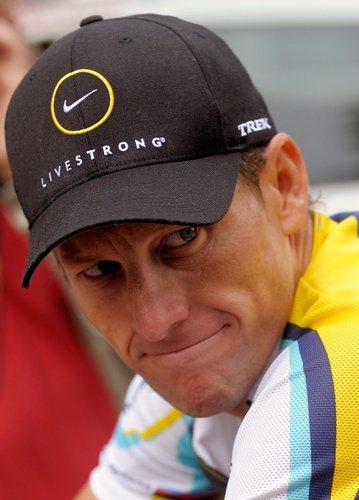
The perils of celebrity endorsements … sponsors tell Lance to peddle somebody else’s wares.

October 22, 2012

Punch line: Despite sticking by athletes during controversial times, Kobe Bryant and Tiger Woods included, Nike has dropped Lance Armstrong from his contract as the doping allegations continue.

* * * * *

Excerpted from the New York Times’, “Armstrong is Dropped by Nike as he Quits Role at His Charity”

A week after the United States Anti-Doping Agency made public its evidence in a doping case against Lance Armstrong, Armstrong on Wednesday stepped down as chairman of Livestrong, his cancer foundation, the organization that inspired millions fighting the disease.

The fallout from the antidoping agency’s report also prompted Nike, the company that stood by Armstrong through more than a decade’s worth of doping allegations, to terminate his contract.

18armstrong2-popup

“I have had the great honor of serving as this foundation’s chairman for the last five years and its mission and success are my top priorities,” Armstrong said in a statement. “Today therefore, to spare the foundation any negative effects as a result of controversy surrounding my cycling career, I will conclude my chairmanship.”

Armstrong, the seven-time Tour winner who denies ever doping, founded the organization in 1997 after he survived testicular cancer and it sold millions of yellow Livestrong wristbands and went on to partner with Nike to sell millions of dollars of Livestrong gear.

In a statement on Wednesday morning, Nike said the evidence that Armstrong had doped was so overwhelming that it could no longer partner with him. In the past, the company stood by athletes like Kobe Bryant, who was accused of sexual assault but never convicted, and Tiger Woods, who gained international notoriety for his extramarital affairs. Nike severed ties with Michael Vick when he went to prison for his role in a dogfighting ring but later re-signed him.

“Due to the seemingly insurmountable evidence that Lance Armstrong participated in doping and misled Nike for more than a decade, it is with great sadness that we have terminated our contract with him,” the statement said. “Nike does not condone the use of illegal performance enhancing drugs in any manner. Nike plans to continue support of the Livestrong initiatives created to unite, inspire and empower people affected by cancer.”

Edit by BJP

>> Latest Posts

Stainless steel is so yesterday …

October 19, 2012

According to the WSJ

This may be the end of a 25-year run for stainless steel kitchen appliances.

Stainless has been the big word in kitchen appliances for years … in part because it’s durable and versatile.

But, there is a growing sense that stainless steel’s popularity is running into overtime … that it  has outworn its welcome

What’s next?

image

Major manufacturers are placing bets on different potential successors to the shiny, upscale appliance finish

Whirlpool — the world’s largest home-appliance maker — says “White is the new stainless.”

Upscale Wolf Appliance says “Black is the new stainless steel.”

GE is betting on a metallic matte finish it calls “slate.”

Figuring that cost-conscious consumers aren’t likely to replace all their appliances at once, GE’s  new finish complements the stainless steel, white or black appliances already found in consumers’ kitchens.

“Not every consumer is ready to completely change out their kitchen appliances … They don’t see the need to swap that expensive range they bought a year ago.”

Ken’s Take:  I’ve oft told Mrs. H. that if we waited long enough, our appliances would be back “in” … I feel vindicated.

>> Latest Posts

Sucka Alert: It’s after 5 p.m., so the price is higher…

October 18, 2012

Excerpted from the book Pricing Segmentation and Analytics by Bodea and Ferguson

One example of using price segmentation in the price analytics process has been applied at a grocery store chain.

Previous studies have shown that consumers who shop at a grocery store after 5 p.m. on weekdays are generally less price sensitive than consumers who shop on weekdays before 5 p.m.

This finding is intuitive as the consumers who are shopping after 5 p.m. are generally working professionals who are on their way home from work and do not bother to comparison shop, while consumers who shop before 5 p.m. consist of homemakers and retired individuals who, conceivably, are more price conscious and have more time to comparison shop.

To take advantage of this knowledge, there is a grocery store chain in Texas that raises the prices of almost all items after 5 p.m. on weekdays and lowers them again before opening the next morning.

I’m a strong advocate of “dynamic pricing” but this one gives me the creeps … I’d like to be a fly on the wall when customers catch on to the pricing scheme.

>> Latest Posts

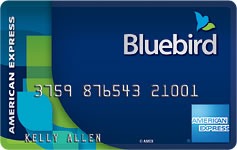
Amex offers co-branded Wal-mart prepaid card … say, what?

October 17, 2012

Punch line: Wal-Mart and American Express take aim at the traditional credit card model to offer an alternative to lower-income consumers.

The new card will expand AmEx’s customer base while offering Wal-Mart another foray into financial services.

Blubird today, platinum tomorrow … I guess.

* * * * *
Excerpted from Reuters’, “Wal-Mart, Amex team up on card for lower-income shoppers”

Walmart_bluebird-card

Wal-Mart Stores Inc and American Express Co. have teamed up to provide financial services to customers who often do not have traditional bank accounts by offering a prepaid debit card called Bluebird.

The move will give American Express … a 4,000-store gateway to tens of millions of so-called “underbanked” households and … Walmart will get to extend its mantra of “every day low prices” to yet another sphere and come closer to achieving its years-long goal of offering banking services.

The Bluebird will allow for deposits by smartphone and mobile bill paying, with no minimum balance or monthly, annual or overdraft fees, the companies said on Monday.

“Bluebird is our solution to help consumers who currently may be poorly served by traditional banking products,” said Dan Schulman of American Express. “In an era where it is increasingly ‘expensive to be poor,’ we have worked with Wal-Mart to create a financial services product that rights many of the wrongs that plague the market today.”

Edit by JDC

>> Latest Posts

Xbox: Your source for beauty and fashion

October 16, 2012

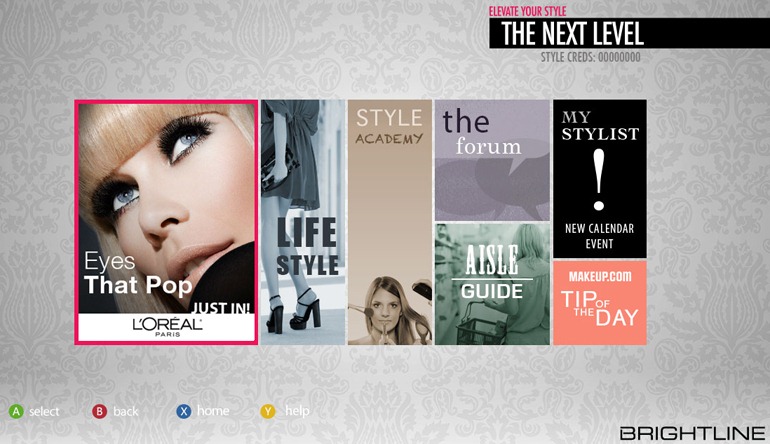
Punch line: Xbox targets the 40% of female Xbox users by launching the first female-tailored app – a beauty and fashion app produced and branded by L’Oreal.

* * * * *
Excerpted from adage.com’s, “L’Oreal Seeks Women in Unlikely Place: On Xbox”

L’Oréal is looking for women in a surprising place — on Xbox 360.

the-next-level-app

The beauty behemoth unveiled “The Next Level” app on Microsoft’s Xbox Wednesday, yet another move in the gaming console’s efforts to attract an audience beyond core gamers.

“The Next Level,” is designed to be a one-stop beauty and style hub for women where they can watch how-to videos and gain more information on products. Condé Nast’s Lucky Magazine will also help build some of the content.

The app allows users to create personalized event calendars, shopping lists and receive weather-based beauty recommendations, as well as receive rewards points that can be redeemed for branded products. L’Oréal intends for this be a total style experience, with fashion and entertainment elements beyond makeup and hair care.

This is the first female-tailored app to launch on Xbox, but as 40% of Xbox’s 20 million users are female, more apps geared toward women are expected.

Edit by BJP

>> Latest Posts

Nappers: Plop down anywhere with an Ostrich Pillow.

October 5, 2012

Architecture and design studio Kawamura-Ganjavian has announced the innovative Ostrich Pillow – essentially a combination pillow & hat that lets would- be nappers kick back or plop down wherever they may be.

The pillow features holes for your head and hands, and “has been designed to allow you to create a little private space within a public one.”

image

Check out the video  … 

image

You just can’t make this stuff up …

Thanks to JNH for feeding the lead

>> Latest Posts

What’s your brand worth? … Ask Interbrand.

October 4, 2012

Punch line: Interbrand released its 13th annual Best Global Brands Report, giving Coca-Cola the top bid.

* * * * *
Excerpted from the New York Times, “List of Global Brands Keeps Coke on Top, and Apple Jumps Up.”

02adco-popup

Interbrand’s 13th annual Best Global Brands report addresses the value of powerful brands — and the problems of brands whose value is diminishing. 

The report ranks what it deems the 100 most valuable brands on criteria that include:

  • Financial performance
  • The role the brand plays in influencing the choices made by consumers
  • The brand’s ability to help its parent’s earnings

Many of the ranked brands are known for dedicating time and corporate treasure to continually, if not continuously, trying to improve the results of their advertising.

Case in point is the brand that ranked No. 1 on the list for the 13th consecutive year, Coca-Cola. Interbrand estimated its brand value at $77.8 billion, up 8 percent from the 2011 report.

Although nothing lasts forever, the company will strive to keep the Coke brand relevant through innovations in how it engages with consumers.

For instance Facebook Coca-Cola has more likes, 51.98 million, than any other brand.

“A lot of staying relevant is not being afraid to take risks or do different things,” Mr. Tripodi, of Coca-Cola said. “It’s less about what you sell and more about what you stand for as a brand and company.

Eight of the remaining top nine brands changed ranks from last year, including Apple, which rose to No. 2 from No. 8, and Samsung, which rose to No. 9 from No. 17. 

Also, two brands dropped out of the top 10: Disney, which fell to No. 13 from No. 9 last year, and Hewlett-Packard, which fell to No. 15 from No. 10.

The list is dominated by technology companies.

Of the top 10 brands, five are in technology: Apple, Google, Microsoft, Intel and Samsung.  Another prominent technology company,

Facebook, entered the list for the first time, at No. 69. Facebook was among six new entrants; the others are Pampers (34), Prada (84), Kia (87), Ralph Lauren (91) and MasterCard (94).

Several brands that were ranked lower on the 2012 list compared with last year’s have been suffering setbacks.

Among them are BlackBerry, which tumbled to 93 from 56; Goldman Sachs, which declined to 48 from 38; and Nokia, which dropped to 19 from 14.

Edit by BJP

>> Latest Posts

NetTrax: If you think that you’re being followed around on the net … you’re right.

October 2, 2012

And the company doing it is probably Acxiom … recently profiled in the NY Times.

I had some weird happenings recently.

A friend who works internet marketing for a “plus sized” women’s clothes company used my computer to show me her site’s cool redesign.

For the next couple of weeks I was getting pop-up ads for big women’s clothes … even when I was on common sites like ESPN or WSJ.

Huh?

Another time, I checked the spelling of a Spanish word via Google.

Next couple of times that I went to You Tube, the lead in ads were in Spanish.

Double huh?

I was wondering how the web “knew” … now I know, courtesy of the NY Times.

Here are some highlights …

Acxiom

IT knows who you are. It knows where you live. It knows what you do.

It peers deeper into American life than the F.B.I. or the I.R.S., or those prying digital eyes at Facebook and Google.

If you are an American adult, the odds are that it knows things like your age, race, sex, weight, height, marital status, education level, politics, buying habits, household health worries, vacation dreams — and on and on.

Right now, more than 23,000 computer servers are collecting, collating and analyzing consumer data for a company …  called the Acxiom Corporation, the quiet giant of a multibillion-dollar industry known as database marketing.

Acxiom has amassed the world’s largest commercial database on consumers —  Its servers process more than 50 trillion data “transactions” a year.

Acxiom maintains its own database on about 190 million individuals and 126 million households in the United States

Its database contains information about 500 million active consumers worldwide, with about 1,500 data points per person.

Acxiom’s Consumer Data Products Catalog offers hundreds of details — called “elements” — that corporate clients can buy about individuals or households, to augment their own marketing databases. Companies can buy data to pinpoint households that are concerned, say, about allergies, diabetes or “senior needs.”

In a fast-changing digital economy, Acxiom is developing the most advanced techniques to mine and refine data.

Digital marketers already customize pitches to users, based on their past activities … think “cookies”.

Acxiom  is pursuing far more comprehensive techniques in an effort to influence consumer decisions.

It is integrating what it knows about our offline, online and even mobile selves, creating in-depth behavior portraits in pixilated detail …  Its  a “360-degree view” on consumers.


How it works

Scott Hughes, an up-and-coming small-business owner and Facebook denizen, is Acxiom’s ideal consumer.

In fact,  Acxiom created him.  Mr. Hughes is a fictional character who appeared in an Acxiom investor presentation in 2010.

A frequent shopper, he was designed to show the power of Acxiom’s multichannel approach.

In the presentation, he logs on to Facebook and sees that his friend Ella has just become a fan of Bryce Computers, an imaginary electronics retailer and Acxiom client.

Ella’s update prompts Mr. Hughes to check out Bryce’s fan page and do some digital window-shopping for a fast inkjet printer.

Such browsing seems innocuous — hardly data mining. But it cues an Acxiom system designed to recognize consumers, remember their actions, classify their behaviors and influence them with tailored marketing.

When Mr. Hughes follows a link to Bryce’s retail site, for example, the system recognizes him from his Facebook activity and shows him a printer to match his interest.

He registers on the site, but doesn’t buy the printer right away, so the system tracks him online.

Lo and behold, the next morning, while he scans baseball news on ESPN.com, an ad for the printer pops up again.

That evening, he returns to the Bryce site where, the presentation says, “he is instantly recognized” as having registered.

It then offers a sweeter deal: a $10 rebate and free shipping.

It’s not a random offer.

Acxiom has its own classification system, PersonicX, which assigns consumers to one of 70 detailed socioeconomic clusters and markets to them accordingly.

In this situation, it pegs Mr. Hughes as a “savvy single” — meaning he’s in a cluster of mobile, upper-middle-class people who do their banking online, attend pro sports events, are sensitive to prices — and respond to free-shipping offers.

Correctly typecast, Mr. Hughes buys the printer.

But the multichannel system of Acxiom and its online partners is just revving up.

Later, it sends him coupons for ink and paper, to be redeemed via his cellphone, and a personalized snail-mail postcard suggesting that he donate his old printer to a nearby school.


Waste”

There is a fine line between customization and stalking.

While many people welcome the convenience of personalized offers, others may see the surveillance engines behind them as intrusive or even manipulative.

Privacy advocates say they are more troubled by data brokers’ ranking systems, which classify some people as high-value prospects, to be offered marketing deals and discounts regularly, while dismissing others as low-value — known in industry slang as “waste.”

Exclusion from a vacation offer may not matter much …  but if marketing algorithms judge certain people as not worthy of receiving promotions for higher education or health services, they could have a serious impact.

“Over time, that can really turn into a mountain of pathways not offered, not seen and not known about.”

A bit creepy, right?

>> Latest Posts